
The Benefits of Using Italian Ryegrass in Livestock Production
When managing a livestock production system, forage quality and availability are pivotal to an efficient and profitable operation. Italian ryegrass, particularly high-quality blends like Green Spirit®, is increasingly recognized for its diverse benefits. Italian ryegrass is often classified as a type of annual ryegrass, which highlights its adaptability and growth patterns. Whether used as forage, a cover crop, or soil improver, Italian ryegrass offers livestock producers a versatile and highly valuable tool. Below, we explore the key advantages of integrating Italian ryegrass into your livestock system.
Characteristics and Habitat Of Italian Ryegrass
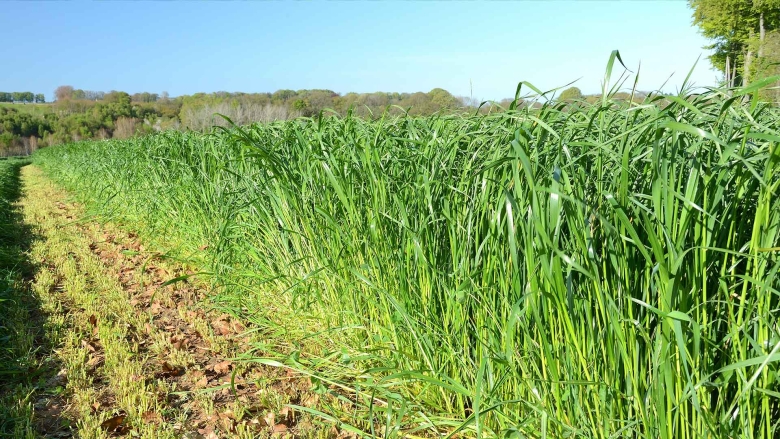
Italian ryegrass (Lolium multiflorum) is a cool-season, annual or biennial bunchgrass native to southern Europe. This versatile plant is easily recognizable by its dark green, shiny, and hairless leaf blades that are rolled in the bud. Growing to a height of 1 to 3 feet, Italian ryegrass features stems that are often purplish at the base, consisting of nodes and internodes. It thrives in fertile, well-drained soils and performs best in cool, moist climates. While highly shade intolerant, Italian ryegrass can adapt to a variety of climatic conditions, making it a resilient choice for many regions. One of its standout features is its ability to remain vegetative until it experiences its first winter. This means it won’t produce seed heads prematurely, resulting in consistent, high-quality forage in the initial growing season. Unlike many other grasses that prioritize fast maturity, Italian Ryegrass focuses on providing lush, nutrient-dense forage over an extended period.
Key Benefits for Livestock Production
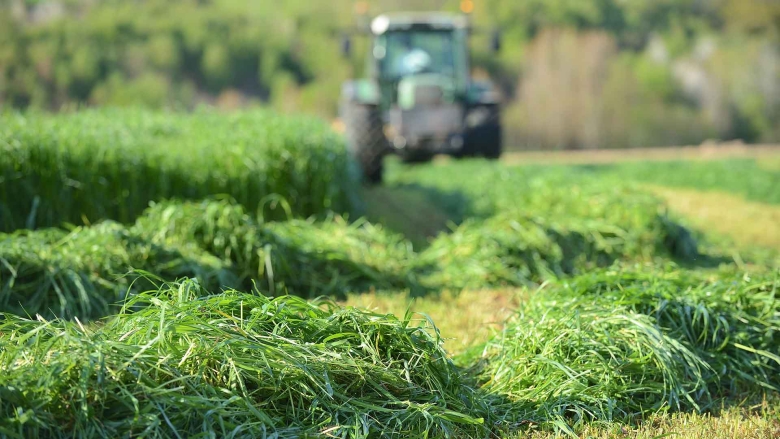
Italian ryegrass offers numerous benefits for livestock production. Its high nutrient quality makes it an ideal feed for high-producing dairy cows and beef cattle, promoting better health and productivity. The plant’s palatability and ease of establishment further enhance its appeal to livestock producers. Beyond its nutritional benefits, Italian ryegrass contributes to improved soil fertility, reducing the reliance on synthetic fertilizers. Its ability to grow in a wide range of soil types adds to its versatility, making it a valuable crop for diverse livestock production systems.
1. High-Quality, Nutrient-Rich Forage
It contains exceptional levels of digestible fiber, crude protein (often exceeding 20%), and metabolic energy. This combination not only enhances animal nutrition but also improves weight gain and milk production. Dairy farmers, for instance, have reported increased butterfat levels by incorporating Italian ryegrass into total mixed rations (TMRs).
Additionally, Green Spirit® features tetraploid varieties that are highly palatable, encouraging livestock to consume more. This increased intake results in higher energy availability for maintenance, growth, and production.
2. Consistent and High Yields
Italian ryegrass is renowned for its remarkable yield potential. Under optimal conditions, Green Spirit® can produce up to 8–12 tons of dry matter per acre annually, comparable to alfalfa or 75–80% of corn silage yields. It also boasts fast regrowth, allowing for multiple harvests within a growing season. With proper fertilization and irrigation, you can expect bountiful forage that keeps your livestock nourished year-round.
3. Supports Rotational Grazing
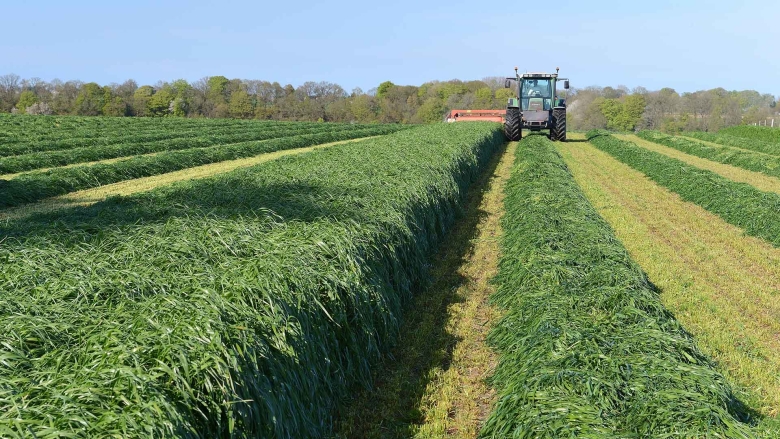
Italian ryegrass is ideal for rotational grazing systems, which rely on efficient pasture usage and recovery. Green Spirit® stands out for its rapid regrowth and resilience to frequent grazing. Producers can begin grazing 55–60 days after planting, provided the grass reaches a minimum height of 15 inches. Additionally, leaving a residual stubble height of 3–4 inches ensures quick recovery, enabling regrowth in as little as 15–25 days depending on conditions.
The high sugar content of Italian ryegrass makes it especially effective for grass-finishing beef cattle. This improves marbling and grade quality, ultimately benefiting both the farmer and the end consumer.
4. Improves Soil Health
Beyond its value to livestock, Italian ryegrass offers significant benefits to the soil. Its fibrous root system enhances soil structure, promotes aeration, and increases organic matter. Green Spirit® attracts beneficial microbes and earthworms, boosting overall soil health and fertility.
Additionally, Italian ryegrass serves as an excellent nitrogen scavenger. It absorbs residual nitrogen from the soil, which reduces leaching and recycles nutrients for future crops. This makes it a great partner in cover crop rotations and an eco-friendly choice for environmentally conscious producers.
5. Versatility in Forage Utilization
Italian ryegrass lends itself to multiple forage applications:
- Grazing: Provides a reliable grazing option, especially in cool seasons.
- Haylage and Baleage: Italian ryegrass offers high-quality forage for silage and baleage systems. Its moisture content can be easily managed to meet silage requirements (40–65%) or baleage targets.
- Green Chop: It’s an excellent option for daily green feeding to livestock.
- Dry Hay: Though challenging in humid climates, Italian ryegrass can produce high-quality dry hay in regions with low humidity.
6. Adaptability to Various Climates
Italian ryegrass thrives in diverse climates and soil types, from heavy clay to sandy soils. Barenbrug’s Green Spirit® is particularly adaptable, making it suitable for planting across northern and central regions of the U.S. For northern areas, spring planting ensures quality forage through the growing season. Meanwhile, central producers can plant in fall and rely on Green Spirit® for forage during cooler months.
7. Excellent Cover Crop Benefits
Italian ryegrass doubles as a remarkable cover crop. Its dense canopy suppresses weeds, prevents soil erosion, and provides fast ground cover. When used as green manure, it improves nutrient cycling and enhances soil organic matter, benefiting subsequent crops like corn silage or sorghum.
Incorporating Italian Ryegrass into Your System
Integrating Italian ryegrass into your livestock production system is straightforward. For maximum yield and quality, follow these tips:
- Seeding: For new plantings, use 30–40 lbs. of seed per acre and ensure shallow planting at 1/8–1/4 inch depth. No-till seeding into thinning pastures or alfalfa stands is also effective for improving overall forage quality.
- Fertilization: Apply 40–50 lbs. of nitrogen at planting and after each harvest to support regrowth and productivity.
- Harvest Schedule: Maintain cutting intervals of 28–35 days to optimize regrowth and forage quality.
- Irrigation: Provide consistent water, especially during dry periods, to ensure continuous production.
Final Thoughts
Italian ryegrass, especially premium blends like Green Spirit®, brings unmatched benefits to livestock production systems. It is an invaluable crop for livestock production, offering high nutrient quality, palatability, and ease of establishment. Its adaptability to various soil types and climatic conditions makes it a versatile choice for livestock producers. Whether used as a companion crop with alfalfa, a cover crop, or an emergency seeding option, Italian ryegrass plays a crucial role in improving soil fertility and boosting yields. With proper management, Italian ryegrass can provide a high-quality forage crop, making it an essential component of a sustainable agricultural system. Consider incorporating Italian ryegrass into your operation to reap the benefits for both your livestock and your soil.
If you’re ready to elevate your operation, consider incorporating Italian ryegrass into your system. Your herd—and your soil—will thank you.

Green Spirit®
-
Excellent forage quality
-
High dry matter production
-
Italian ryegrass is known for its highest quality forage, making it a top choice


DairyMaster® Pro | Get Plus®
-
Exceptional palatability for improved intake
-
High fiber digestibility and nutritive value
-
High protein and energy forage