
KY 31 Tall Fescue: What Horse Owners, Forage Specialists, and Homeowners Need to Know
If you’re responsible for pastures, whether you own a horse farm, are passionate about forage management, or simply want a lush lawn, you’ve likely encountered Kentucky 31 tall fescue. The history of Kentucky 31 tall fescue dates back to its discovery by a University of Kentucky professor in 1931, marking its evolution from a forage grass to a popular choice for lawns. It’s been a workhorse grass for decades, renowned for its toughness. But is it still the best choice today? Let’s explore what makes Kentucky 31 unique, why it’s fallen out of favor for many applications, and what modern alternatives can mean for your land and animals.
What Is Kentucky 31 Tall Fescue?
Kentucky 31 (often called KY-31) is a specific variety of tall fescue grass discovered in Kentucky and released in 1943. Its claim to fame? A remarkable ability to endure tough growing conditions, from hot summers to heavy grazing, thanks to a special relationship with a fungus called an endophyte that lives within the plant’s tissue. This tall fescue variety has been a staple in lawns and pastures due to its resilience and adaptability.
For decades, KY-31 covered millions of acres across the United States. Its popularity came from its:
- Durability in extreme weather and under pressure from grazing
- Longevity (many stands lasted for years without replanting)
- High yields compared to other cool-season grasses
The process of developing Kentucky 31 tall fescue involved extensive research and treatment, contributing to its widespread use and popularity.
But this success story has a twist.
The Problem with Kentucky 31 for Animal Owners
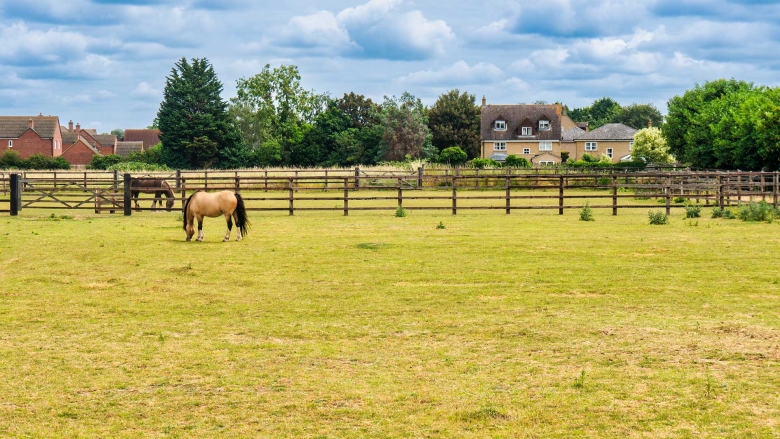
While that endophyte fungus makes Kentucky 31 so tough, it can also produce alkaloids that are toxic to many grazing animals, especially horses and cattle. This can trigger a condition called “fescue toxicosis,” which may include:
- Elevated body temperatures
- Reduced weight gain
- Significant weight loss
- Poor reproductive performance (especially in broodmares)
- Lower milk production
- General decline in animal health
For horse owners, especially those managing pregnant mares, this risk is significant and well-documented (UK Equine). It is crucial to remove Kentucky 31 from pastures to prevent these health issues and promote better overall productivity in livestock.
Why Was Kentucky 31 Popular for So Long?
Years ago, the reasons were clear: over time, Kentucky 31 handled Kentucky’s variable pastures better than anything else. Alternatives were either less durable or more expensive. Careful seed production kept most Kentucky 31 full of live endophyte, ensuring it performed as expected.
The landscape looks very different today.
Today’s Tall Fescue Options Explained
Thanks to decades of research and breeding, we now have three primary categories of tall fescue, each resulting in different outcomes for durability, safety, and performance:
- Kentucky 31 (wild-type or toxic-type)
- Contains toxic endophytes.
- Still common in older or unmanaged pastures.
The transition from Kentucky 31 to newer varieties has been significant, with a focus on improving safety and performance.
- Endophyte-Free Tall Fescue
- Bred to be free of the toxic fungus.
- Safer for grazing animals but lacks durability; often lasts only a few years before thinning out.
- Novel Endophyte Tall Fescue (sometimes called “friendly,” “beneficial,” or “safe” endophyte)
- Developed using naturally occurring, non-toxic endophytes collected from safe tall fescue plants.
- These beneficial endophytes improve persistence without producing the toxic alkaloids associated with KY-31.
- Combines Kentucky 31’s hardiness with the animal safety of endophyte-free types.
- Rigorously tested for animal safety, germination, and endophyte viability (always check the seed tag for this info).
These novel endophyte tall fescues present a viable alternative to Kentucky 31, offering improved safety and performance for pasture management.
Why Novel Endophyte Fescues Are Recommended
Modern varieties like BarOptima® E34® | Get Plus® go above and beyond:
- Animal-safe: No risk of fescue toxicosis (safe for both cattle and horses, with rare exception).
- Durability and persistence: Survive stress, drought, heat, and grazing, just like Kentucky 31.
- Higher yields and better palatability: Soft-leaf varieties mean animals prefer and perform better on them (Barenbrug USA).
Horse farm owners and forage specialists now have access to the best of both worlds, without compromising their animals’ wellbeing. For best results, follow specific guidelines when planting novel endophyte fescues.
If You’re Still Planting Kentucky 31, Read This
- Seed consistency is no longer guaranteed: Today’s KY-31 isn’t always what it used to be. Lower demand has led to less regulated seed production, meaning you might end up with a bag containing little or no live endophyte (and thus poor persistence), or a seed lot containing a toxic endophyte. Fields must be properly prepared and ready to be used for pasture after reseeding. The quality of harvested seeds is crucial as it impacts their suitability for planting and utilization in agriculture.
- Alternatives are now affordable: The price gap between Kentucky 31 and novel endophyte options has greatly narrowed. For just cents more per pound, you gain peace of mind and better pasture performance.
- Toxic-type tall fescue has no upside for broodmare farms. If animal health, reproduction, or milk are priorities, skip Kentucky 31.
What About Homeowners?
If you’re seeking a tough, green lawn or recreational pasture and aren’t grazing animals, Kentucky 31 may serve your needs. The use of Kentucky 31 tall fescue grass is widespread due to its durability and adaptability for various purposes, including agricultural practices and erosion control. However, improved turf-type tall fescues often offer superior disease resistance, aesthetics, and drought tolerance, making them the better choice for most home landscapes. It is also important to maintain Kentucky 31 at the recommended mowing height and ensure regular upkeep, such as watering and overseeding, to keep it healthy and resilient.

Planting and Pasture Renovation Tips
Switching to novel endophyte tall fescue isn’t as simple as overseeding your Kentucky 31; you'll need to completely eliminate the existing toxic tall fescue before replanting. Adequate water is crucial for the growth of the grass, especially during the establishment phase. Here’s how to get the best start:
- Plan Timing Carefully: Fall is the best season for seeding, with early spring as a backup if weather permits.
- Choose Quality Seed: Always check for germination and endophyte viability on the tag. Look for logos like the Alliance for Grassland Renewal for extra quality assurance.
- Invest in Field Prep: Eradicate existing toxic fescue, and consider a rotation with a crop like orchardgrass for a couple of years to be sure.
- Be Patient: Good pasture renovation can take a year or longer, but the long-lasting, healthier, and safer results are well worth it. The process of transitioning to novel endophyte tall fescue involves careful planning, thorough field preparation, and consistent maintenance to ensure successful growth.
The Bottom Line
Kentucky 31 tall fescue transformed pasture management in the 1940s, but decades of research have produced safer, higher-performing alternatives. For horse farm owners and anyone grazing livestock, that means Kentucky 31 is no longer justifiable when novel endophyte tall fescues are readily available and affordable. The benefits of novel endophyte types include superior value, safety, and peace of mind. Additionally, these varieties offer improved yield benefits, making them a more productive and economically viable choice for pasture management.
For more science-backed articles and guidance, visit UK Equine.

BarOptima® E34® | Get Plus®
-
Beneficial Endophyte
-
Rapid Establishment
-
Highly Palatable


StockMaster® Pro | Get Plus®
-
Multi-Purpose Forage Mixture
-
Rapid Establishment
-
Dense, Durable Sward