
The Synergy of Trees and Turfgrass: Sustainability, Environmental Benefits, and Challenges in Landscape Management
Trees and turfgrass play crucial roles in the built and natural environment, offering numerous ecological and aesthetic benefits. While often viewed as competitors in landscape management, these two plant groups can coexist harmoniously when managed correctly. Both contribute significantly to sustainability efforts by reducing pollution, sequestering carbon, and improving soil health. However, proper selection and management of turfgrass species, particularly deep-rooting species like Tall fescue, can help overcome the challenges posed by trees. This article explores the environmental impact of trees and turfgrass, their role in pollution reduction, and strategies for optimizing their coexistence in managed landscapes.
Environmental Benefits: Carbon Sequestration and Oxygen Production
Trees: The Powerhouses of Carbon Reduction
Trees are well-known for their ability to absorb atmospheric carbon dioxide (CO2) and store it as biomass through the process of photosynthesis. A mature tree can sequester approximately 48 pounds of CO2 per year, playing a crucial role in climate change mitigation. Additionally, trees release oxygen as a byproduct of photosynthesis, improving air quality and sustaining life.
Beyond their carbon storage capabilities, trees reduce air pollution by trapping particulate matter on their leaves and bark, helping to cleanse urban environments. They also contribute to stormwater management by intercepting rainfall and reducing runoff, which mitigates erosion and water pollution.
Turfgrass: An Unsung Hero in Carbon Capture
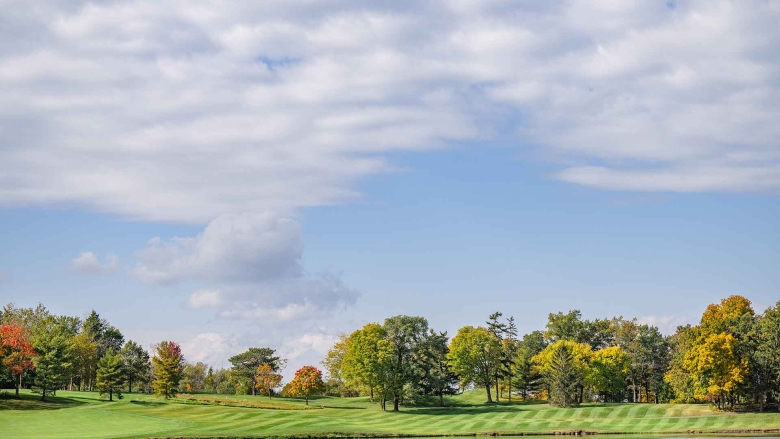
While trees are often celebrated for their environmental contributions, turfgrass also plays a vital role in sustainability. Deep-rooting turfgrass species like Tall Fescue (Festuca arundinacea) are particularly effective at sequestering carbon due to their extensive root systems. Research indicates that healthy turfgrass systems can store up to 0.5 tons of carbon per acre annually, rivaling some forested areas in sequestration efficiency.
Turfgrass also generates oxygen, with one acre producing enough oxygen for approximately 64 people per year. Moreover, well-managed turfgrass reduces surface temperatures through evapotranspiration, counteracting the urban heat island effect commonly found in developed areas.
Soil Health: The Role of Root Systems
Trees and Their Impact on Soil Structure
Tree root systems play a critical role in maintaining soil integrity. Deep, extensive root networks improve soil aeration, enhance water infiltration, and prevent erosion. Additionally, trees contribute to the soil microbiome by promoting beneficial microbial activity, which aids in nutrient cycling and organic matter decomposition.
Deep-Rooting Turfgrass and Soil Stability
Tall Fescue, a widely used turfgrass species, has a deep and fibrous root system that significantly benefits soil health. Unlike shallow-rooted turf varieties, Tall Fescue penetrates deep into the soil, enhancing its structure and increasing its water-holding capacity. This improves drought tolerance and reduces reliance on irrigation, making it a sustainable choice for landscapes.
Furthermore, deep-rooted turfgrasses help prevent soil erosion by anchoring the topsoil and reducing surface runoff. The dense canopy of turfgrass also acts as a natural filter, capturing pollutants before they reach groundwater sources.
Challenges of Trees in Turfgrass Management
While trees and turfgrass provide numerous benefits, managing their coexistence in the landscape presents challenges. The primary obstacles include:
- Shade Competition: Trees create shaded environments that limit the amount of sunlight reaching turfgrass. Since turfgrass species, including Tall Fescue, require adequate light for photosynthesis, excessive shade can lead to thinning and reduced vigor.
- Nutrient and Water Competition: Tree roots compete with turfgrass for essential nutrients and water. Given that tree root systems often extend well beyond the canopy, they can outcompete turfgrass, leading to nutrient deficiencies and increased irrigation demands.
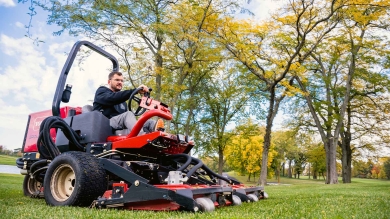
- Leaf Litter and Debris: Deciduous trees shed leaves, which can smother turfgrass if not removed promptly. This organic matter can also alter soil composition, affecting nutrient availability and pH levels.
Strategies for Integrating Trees and Turfgrass in Landscapes
To maximize the benefits of both trees and turfgrass while mitigating their challenges, proper landscape management strategies must be employed:
- Selecting Shade-Tolerant Turfgrass: While Tall Fescue has some shade tolerance compared to other cool-season grasses, using improved cultivars from Barenbrug USA, such as RTF® (Rhizomatous Tall Fescue), can enhance resilience in shaded conditions.
- Proper Tree Pruning: Thinning tree canopies allows more sunlight to penetrate to the turfgrass, improving its ability to photosynthesize and maintain vigor.
- Soil Management: Aerating the soil and applying organic amendments help improve nutrient availability and mitigate competition between trees and turfgrass.
- Irrigation Efficiency: Implementing deep and infrequent watering schedules supports both trees and turfgrass by encouraging deep root growth and reducing water loss.
- Mulching Around Trees: Maintaining a mulch ring around tree bases reduces direct competition between turfgrass and tree roots while promoting soil moisture retention.
Conclusion
Trees and turfgrass are integral components of sustainable landscapes, each contributing to environmental health through carbon sequestration, oxygen production, and soil stabilization. While trees present challenges for turfgrass management, selecting the right grass species—such as Barenbrug USA’s Tall Fescue varieties—and implementing strategic maintenance practices can foster a balanced coexistence. By understanding and addressing the interactions between trees and turfgrass, landscape managers can create healthier, more resilient green spaces that support both ecological and human well-being.


