Complete Guide to Lawn Aeration
A healthy lawn is more than a surface of green—it’s a living system where soil, roots, air, and water interact. This complete guide to lawn aeration explains the science and the practice behind opening up compacted soils so grass can breathe, drink, and grow. If you’ve wondered how to aerate yard spaces without guesswork, or how to do aeration lawn tasks like a pro, you’ll find clear steps, timing tips, and practical comparisons to help you aerate lawn areas with confidence.
What Is Lawn Aeration?
Lawn aeration is the practice of creating small openings in the soil to relieve compaction and restore the flow of air, water, and nutrients to the root zone. In everyday terms, it’s the reset button for tired, dense turf. When you aerate lawn surfaces at the right time, roots explore deeper, microbes thrive, and the entire turf system becomes more resilient.
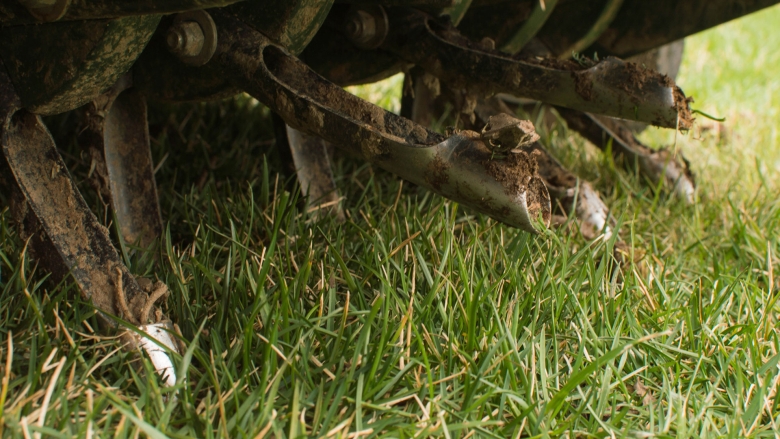
Soils compact under mowers, foot traffic, and rainfall. As pore space collapses, oxygen dwindles and water ponds or runs off. Aeration reverses that trajectory. In particular, grass core aeration removes small cylinders of soil and thatch, leaving open channels that improve gas exchange and infiltration. Those cores crumble back into the canopy over a week or two, acting like a light topdressing to dilute thatch and enhance soil structure.
Common approaches include:
- Core or plug aeration: Removes 2–3 inch soil plugs. This is the gold standard for home lawns because it physically relieves compaction. When people ask how to aerate a yard for lasting results, grass core aeration is usually the answer.
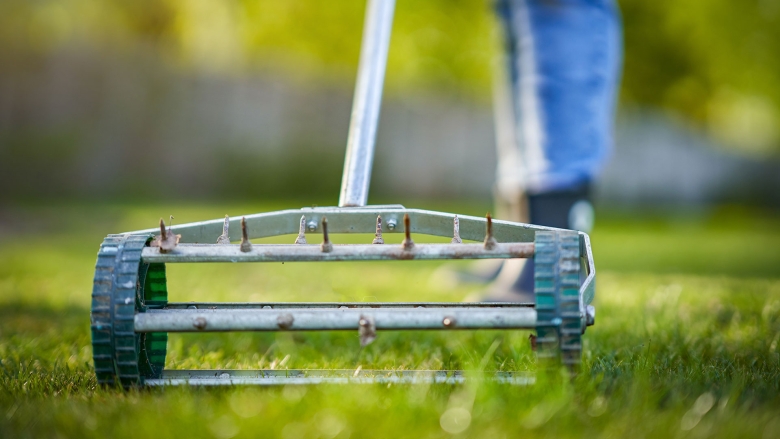
- Spike aeration: Drives tines into the ground without removing soil. It’s fine for light compaction or touch-ups but provides limited relief on dense, clay-heavy soils.
- Liquid aeration: Applies wetting agents and conditioners to improve water movement. It’s a helpful supplement in-season, but it does not extract soil plugs or fully address severe compaction.
Benefits of Aerating Your Lawn
- Relieves compaction: Frees up space for roots to expand, improves drought and heat tolerance, and reduces stress in high-traffic zones.
- Improves nutrient efficiency: Opens pathways so fertilizers, lime, and organic matter reach the root zone rather than sitting on the surface.
- Enhances air exchange: Increases oxygen around roots, energizing the microbial life that breaks down thatch and supports healthier turf.
- Better water management: Boosts infiltration and drainage, reduces runoff and puddling, and improves seed-to-soil contact when overseeding.
Done well, aeration creates a denser, more uniform stand of grass that bounces back from wear and weather. It’s the foundation for long-term turf performance and a greener, thicker lawn.
Signs Your Lawn Needs Aeration
- Thatch over 0.5 inches: A thick, spongy layer of stems and roots can block water and nutrients. Slice out a small wedge and measure the brown layer between grass and soil.
- Poor drainage: Persistent puddles, runoff on slopes, or slow absorption after rain point to restricted infiltration.
- Compacted feel: High-traffic paths and play areas feel hard underfoot. If a screwdriver won’t push 3–4 inches into moist soil, compaction is likely.
- Thinning turf or more weeds: Declining density despite regular care, or an uptick in opportunistic weeds, often signals tight, air-starved soil.
- Construction history: Lawns established after building work often sit atop compacted subsoil from heavy equipment.
How to Aerate Your Lawn
Knowing how to aerate yard areas comes down to timing, preparation, and using the right tool for your grass and soil. If you’ve searched for how to do aeration lawn projects that deliver professional results, start here.
Tools and materials: A core aerator—manual, walk-behind, or tow-behind—is the primary tool for grass core aeration. You’ll also need a mower, a hose or sprinkler, flags or paint to mark irrigation heads and shallow utilities, and optional materials like screened compost, grass seed for overseeding, and a fertilizer suited to your grass type.
Step-by-Step Aeration Process
- Time it right: Aerate during active growth so turf recovers quickly. Cool-season grasses (Kentucky bluegrass, fescue, perennial ryegrass) respond best in spring or early fall. Warm-season grasses (Bermuda, Zoysia, St. Augustine) prefer late spring through summer. Avoid extreme heat, drought stress, and saturated soils.
- Prepare the lawn: Mow at the lower end of the recommended height. Water lightly 24 hours beforehand so the soil is moist but not muddy. Mark sprinkler heads, invisible fences, and shallow cables.
- Make multiple passes: Aerate in overlapping passes, focusing on compacted zones. Aim for 20–40 holes per square foot. On dense clays, make two passes in perpendicular directions.
- Leave the cores: Let plugs dry and crumble naturally. Lightly raking or dragging a mat helps disperse them and speeds thatch breakdown.
- Overseed and topdress (optional): Aeration creates ideal seed-to-soil contact. Apply seed so it falls into the holes, then topdress with about 0.25 inches of screened compost to improve structure and moisture retention.
Post-Aeration Care
- Watering: Water deeply but infrequently—about 1 to 1.5 inches per week including rainfall. If overseeding, keep the seedbed evenly moist with lighter, more frequent cycles until germination.
- Fertilizing: If you topdress with compost, delay heavier fertilization for 2–4 weeks. Otherwise, a starter fertilizer supports new seedlings after overseeding.
- Mowing: Resume normal mowing once grass reaches its recommended height. If overseeded, raise the height slightly and wait until seedlings are well rooted before the first cut. Keep blades sharp to reduce plant stress.
If you’re new to how to aerate a yard, begin with a small test area to gauge soil moisture and tool depth, then scale up once you’ve dialed in the conditions.
Core vs. Spike vs. Liquid Aeration
| Method | How It Works | Best For | Limitations |
|---|---|---|---|
| Core/Plug | Removes soil plugs to relieve compaction | Most home lawns, clay soils, high-traffic areas | Requires equipment rental and leaves surface cores |
| Spike | Punches holes without removing soil | Light compaction, sandy soils, quick touch-ups | Pushes soil sideways; limited long-term relief |
| Liquid | Conditioners improve water penetration | In-season maintenance, supplementing mechanical aeration | Does not remove soil or fully relieve compaction |
For most homeowners asking how to do aeration lawn work that actually changes soil conditions, grass core aeration is the dependable, data-backed choice. Spike and liquid methods have their place, but they shine as complements rather than replacements.
Frequently Asked Questions
How often should I aerate my lawn? Most lawns benefit from annual aeration. High-traffic or heavily compacted areas, and lawns with thick thatch, may need aeration twice per year. Sandy soils often need less frequent aeration—every one to two years is typical.
Is core aeration better than spike aeration? Yes, in most cases. Core aeration removes soil and reduces bulk density, which directly addresses compaction. Spike tools can help with light compaction or short-term oxygenation, especially on sandy sites, but they do not lower density the way core methods do.
When is the best time to aerate? Aerate during your grass type’s peak growth period. Cool-season lawns respond in spring and early fall; warm-season lawns recover best from late spring through summer. Avoid aerating during extreme heat, drought, or when soil is waterlogged.
Should I fertilize before or after aeration? Many homeowners fertilize immediately after aeration so nutrients move into the holes. If you plan to topdress with compost, reduce or postpone synthetic fertilizer to prevent overfeeding.
Can I mow after aeration? Yes. Keep to your normal schedule and avoid scalping. If you overseeded, raise mowing height slightly and wait until seedlings are well anchored before their first cut.
What’s the simplest approach if I’m learning how to aerate yard spaces? Choose a rental core aerator, water lightly the day before, make overlapping passes, leave the plugs, and follow with overseeding and a light compost topdressing. This straightforward sequence helps you aerate lawn areas effectively on your first try.
Key Takeaways
- Aeration restores air, water, and nutrient flow to roots, relieving compaction and encouraging a thicker, more resilient lawn.
- Core aeration is the most effective method for most home lawns, especially on clay or high-traffic sites; spike and liquid methods are best as supplements.
- Time aeration to your grass type’s active growth period for faster recovery and stronger results.
- Combine aeration with overseeding and light compost topdressing to accelerate establishment and improve soil structure.
- This complete guide to lawn aeration is your roadmap for how to aerate a yard with confidence. When in doubt, default to grass core aeration for lasting improvement.
If you’re seeking a practical, science-based approach to turf care, this complete guide to lawn aeration provides the essentials. With the right timing, tools, and technique, learning how to do aeration lawn tasks becomes a simple routine that pays dividends in color, density, and durability season after season.