
Naturalizing Your Green: Elevating Golf Course Aesthetics and Sustainability on the Fairway
Golf courses have long balanced playability with aesthetics, creating landscapes that are both functional and beautiful. Today, many superintendents are taking that philosophy a step further by incorporating naturalized areas that blend seamlessly with the surrounding environment.
Naturalized turf areas offer more than visual appeal. When thoughtfully designed, they can reduce maintenance requirements, conserve water, support local wildlife, and enhance the character of the course while creating a more engaging experience for golfers.
The Allure of Naturalization
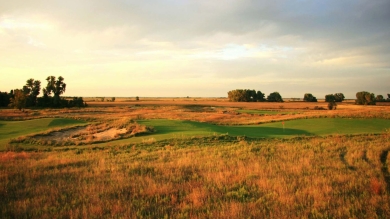
Golfers often remark on the stunning, rugged beauty of historic courses like St. Andrews in Scotland, where undulating fairways are more than just a playing field, they're part of the landscape. The naturalized look seeks to recreate this aesthetic, favoring native grasses and wildflowers over uniform, highly-manicured lawns. This approach not only celebrates the unique character of the local ecology but also betters the environment by reducing water consumption and the need for chemical interventions, all the while providing golfers with a more challenging and interesting round.
Naturalized areas can serve many purposes, from reducing maintenance costs and improving sustainability to creating visual contrast and supporting wildlife habitat. Although these areas typically require less maintenance than highly managed turf, they still benefit from periodic mowing or prescribed burns, occasional weed management, and ongoing planning. Before establishing a naturalized area, it's important to define its purpose, evaluate site conditions through soil testing, and select plant species that are well suited to both the region and the intended use.

Laying the Foundations for a Greener Course
Transitioning to a naturalized look is a significant change that requires thoughtful planning and long-term management. Success begins with understanding the goals for each area of the course and selecting grasses and native plants that fit both the environment and the desired maintenance level.
Strategic Planning for Turf Management
Adopting a naturalized look doesn't mean simply allowing turf to grow unchecked. It's about selecting the right plant species with the guidance of local agronomists, establishing appropriate mowing practices, and creating landscapes that balance aesthetics, playability, and environmental stewardship.
For many golf courses, fine fescues are an excellent choice because of their deep root systems, drought tolerance, and ability to perform with fewer inputs than many traditional turfgrasses. Depending on the desired appearance and maintenance level, fine fescues can be maintained as neatly mown roughs or allowed to grow into taller, wispy stands that create visual contrast throughout the course.
Common fine fescue blends typically include Chewings, Hard, Red, and Sheep Fescues, each contributing unique characteristics while providing excellent adaptability across a wide range of golf course applications.
Fine fescues can be maintained from 4 to 6 inches where periodic mowing is desired or allowed to exceed 12 inches in low-maintenance naturalized areas. Likewise, tall fescues can also be used in many applications, with newer rhizomatous varieties providing improved canopy density and self-repair.
Upholding Ecosystem Balance
Beyond enhancing the appearance of the course, naturalized areas serve a larger environmental purpose. By designing landscapes that work in harmony with their surroundings, golf courses can support local ecosystems while creating memorable playing experiences.
Environmental and Economic Parallels
For courses seeking greater biodiversity and environmental value, incorporating native plants can further expand the benefits of naturalized areas. Native grasses, flowers, shrubs, and trees provide valuable wildlife habitat, improve erosion control, and help filter stormwater runoff.
Creating successful native areas requires planning and collaboration with local experts to ensure the right species are selected for the site's conditions and intended purpose. For example, a pollinator habitat will require a different mix of species than an area designed to attract deer or stabilize drainage channels.
Low-lying areas with drainage challenges are often excellent candidates for rain gardens, where native plants can naturally filter and utilize runoff. Species such as Buffalo Grass, Prairie Dropseed, and Black-eyed Susan develop extensive root systems while requiring relatively little routine maintenance after establishment.
Although native areas generally require fewer inputs, they still benefit from periodic mowing, invasive species management, and, depending on the planting, prescribed burns as part of their long-term maintenance plan.
Overcoming Greenside Challenges
Transitioning to a naturalized course presents opportunities, but it also requires careful communication and management. Educating golfers, staff, and stakeholders helps ensure that naturalized areas are viewed as intentional design features rather than neglected spaces.
Bridging the Knowledge Gap
Education is one of the most effective ways to build support for naturalized landscapes. Informative signage, member communication, and outreach programs can help golfers understand both the environmental benefits and the long-term vision behind the transition.
Engaging the Wider Golfing Community
Naturalization isn't just about improving the golf course. It can also strengthen relationships with the surrounding community through volunteer events, educational programs, and environmental initiatives that highlight the course's commitment to sustainability.
Fostering a Sense of Ownership
Encouraging golfers and community members to appreciate and support naturalized areas creates a shared sense of stewardship while strengthening the connection between the game and the landscape itself.
Looking Ahead
Naturalization isn't simply a design trend. It represents a long-term approach to creating golf courses that balance playability, aesthetics, and environmental stewardship.
By selecting the right grasses, incorporating native plants where appropriate, and developing thoughtful maintenance strategies, golf courses can reduce inputs while creating landscapes that are both beautiful and functional.
Whether the goal is lowering maintenance costs, supporting wildlife habitat, improving sustainability, or simply enhancing the golfing experience, naturalized areas allow courses to work more closely with the surrounding environment while preserving the traditions of the game.
Choose the Right Foundation for Naturalized Areas
Selecting the right grass mixture is one of the most important decisions when establishing naturalized turf. The species you choose will influence everything from long-term maintenance requirements to drought tolerance, visual appearance, and overall performance.
For golf courses seeking the timeless character of traditional Scottish links courses, Scottish Links™ was developed specifically for naturalized areas, golf course roughs, bunker faces, and other low-maintenance landscapes. Its carefully selected fine fescue varieties create the wispy, natural appearance associated with links golf while performing with reduced fertility, limited irrigation, and fewer maintenance inputs.
For courses looking for a versatile fine fescue solution, Dunes Mix™ combines carefully selected chewing's fescue and slender creeping red fescue to provide excellent drought tolerance, reduced maintenance requirements, and the flexibility to be maintained as a manicured rough or a taller naturalized area.
Whether your goal is to create the timeless character of a Scottish links course or establish sustainable, low-maintenance naturalized areas throughout your property, Barenbrug's fine fescue solutions provide proven performance for today's golf courses.
Explore Scottish Links™ and Dunes Mix™ to discover how the right turfgrass selection can help create beautiful, sustainable golf landscapes.
Explore Our Naturalized Golf Course Products:

Scottish Links™
-
Quality turf even on unfavorable sites
-
Tolerant of reduced nitrogen and restricted moisture
-
Very good adaptation to both heavy shade and full sunlight
Dunes Mix™
-
High quality with minimal fertility requirements
-
Capable of close mowing heights, from greens height to rough-cut, or even a naturalized no-mow application
-
Grows in deep shade to full sun
