
Types of Grass: What is Kentucky Bluegrass?
Kentucky Bluegrass: A Grass with Heart and Heritage
From the Big Leagues to your backyard, Kentucky bluegrass has a storied history. Known for its resilient nature and rich, blue-green hue, this grass is the epitome of all things American. It’s the grass that inspired countless competitions and arenas, the grass under our flags and feet. But where does it all begin?
Kentucky bluegrass is a native of Europe, where it grows in a variety of habitats from the dry uplands to the moist lowlands. It migrated to the Americas with early settlers and was eventually discovered to thrive in the “bluegrass” region of central Kentucky, where the limestone-rich soil and climate combined to form the perfect growing environment. Historically, it was primarily adopted as a pasture grass in regions like Kentucky, showcasing its versatility and resilience. Today, Kentucky bluegrass isn’t just a grass; it’s a symbol of history, heritage, and the heart of the American outdoors. Early spring is a crucial time for lawn care tasks such as mowing, weed prevention, and fertilization to ensure optimal growth and health of Kentucky bluegrass lawns.

Definition of Kentucky Bluegrass
Poa pratensis, commonly known as Kentucky bluegrass, is a quintessential cool-season grass, cherished for its lush, dark green appearance and aggressive growth. This perennial grass thrives in the northern United States, where it forms a dense, attractive turf that can withstand a variety of temperatures and soil conditions. Known for its moderate growth rate, Kentucky bluegrass is a versatile choice for homeowners seeking a resilient and visually appealing lawn. Its ability to flourish in cooler climates makes it a staple in many northern lawns, providing a beautiful and enduring landscape.
Characteristics of Kentucky Bluegrass
Kentucky bluegrass stands out for several key characteristics that make it a top choice for lawns. Its deep green color and medium to fine texture create a visually stunning and comfortable turf that enhances any landscape. This grass type grows at a moderate rate, making it manageable for regular lawn care routines. One of its notable strengths is its relative drought tolerance, allowing it to survive with minimal watering once established. However, to maintain its lush appearance, Kentucky bluegrass requires regular mowing and fertilization. While it is a hardy grass, it can be susceptible to diseases like powdery mildew and pests such as billbugs, necessitating vigilant care to keep it healthy and vibrant.
Appearance and Growth Habit
Kentucky bluegrass is a cool-season grass that boasts a striking blue-green color, with a medium to fine texture. Its growth habit is medium to dense, with a medium to fast growth rate. The leaves of Kentucky bluegrass have a distinctive boat-shaped tip and parallel-sided leaf blades, which are typically dark green in color during the summer months. In the winter, the leaves may take on a light green to yellowish hue.

One of the notable characteristics of Kentucky bluegrass is its ability to form a dense, sod-like lawn when properly maintained. This is due in part to its underground stems (rhizomes), which allow it to spread and fill in open areas. Kentucky bluegrass prefers full sun to partial shade, making it an ideal choice for lawns that receive plenty of sunlight.
In terms of its growth habit, Kentucky bluegrass is a perennial ryegrass that thrives in cool-season climates. It is often used in mixtures with other cool-season grasses, such as tall fescue and perennial ryegrass, to create a durable and attractive lawn. Kentucky bluegrass is also commonly used on athletic fields and other high-traffic areas, where its ability to recover quickly from damage is a major advantage.
Despite its many benefits, Kentucky bluegrass does have some limitations. Its shallow roots make it more susceptible to drought and heat stress, particularly in warmer climates. However, with proper care and maintenance, Kentucky bluegrass can thrive in a variety of conditions, making it a popular choice for lawns and landscapes across the country.
In terms of its origins, Kentucky bluegrass is native to Europe and northern Asia, where it was originally used as a pasture grass. Today, it is widely cultivated and used in lawns and landscapes around the world, where its unique combination of appearance, growth habit, and durability make it a popular choice for homeowners and landscapers alike.
The Benefits of Kentucky Bluegrass and Other Lawn Grasses for Today's Homeowners
You don’t need a championship arena to appreciate the virtues of Kentucky bluegrass. For homeowners, this grass is an invaluable asset that transforms yards into personal paradises. This type of lawn grass is known for its adaptability and aesthetic appeal. Here are a few reasons why it’s a top choice:
Beauty that Stands the Test of Time: Kentucky bluegrass doesn’t just look good; it looks good for a long time. With proper care, Kentucky bluegrass lawns can endure for decades, showing off a consistently luxurious appearance that other grasses envy.
Foot Traffic Champion: Active kids? Overenthusiastic pets? No problem for this tough grass. Kentucky bluegrass has an incredible capacity to recover from heavy foot traffic, making it ideal for family yards. As a sod-forming grass, it establishes easily and recuperates quickly from damage due to its rhizome growth habit.

Climate Versatility: Although it favors cooler climates, Kentucky bluegrass can adapt to warmer temperatures better than you’d think. It’s pretty flexible for a grass!
Erosion Control: With its extensive root system, Kentucky bluegrass can help to prevent soil erosion, making it a sensible choice for landscapes with rolling hills or sloping lawns.
An All-Natural Coolant: In an age where urban heat islands are a growing concern, the lushness of this grass can genuinely cool your immediate environment.
There’s no grass as generous and giving as Kentucky bluegrass—just ask the homeowners whose lawns have been transformed by its touch.
Types of Cool Season Grasses
Cool-season grasses are ideal for regions with cooler temperatures, particularly in the northern United States. These grasses thrive during the spring and fall, providing a lush, green lawn when warm-season grasses might struggle. Among the popular cool-season grasses are fine fescue, ryegrass, and tall fescue, each offering unique benefits for homeowners.
Fine Fescue
Fine fescue is celebrated for its fine texture and exceptional shade tolerance, making it a perfect choice for areas with limited sunlight. This cool-season grass is low-maintenance, requiring minimal watering and fertilization to stay healthy. Its drought tolerance means it can survive with less water, making it an eco-friendly option. However, fine fescue can be prone to diseases like powdery mildew and pests such as billbugs, so regular monitoring and care are essential to keep it in top condition.
Ryegrass and Tall Fescue
Perennial Ryegrass and tall fescue are two other popular cool-season grasses that offer distinct advantages for lawns. Ryegrass is known for its rapid growth, making it an excellent choice for overseeding lawns in the fall to ensure a thick, green cover. It is relatively low-maintenance and can handle heavy foot traffic, making it ideal for active households. Tall fescue, on the other hand, is renowned for its deep root system, which provides excellent drought tolerance and the ability to withstand heavy foot traffic. This grass type is also low-maintenance, requiring minimal watering and fertilization, making it a practical and resilient choice for many homeowners.
By understanding the unique characteristics and benefits of these cool-season grasses, homeowners can make informed decisions to create a beautiful, durable lawn that suits their specific needs and climate conditions.
Nurturing Your Kentucky Bluegrass Lawn with Shade Tolerance
For those looking to make Kentucky bluegrass a part of their home’s story, it’s important to understand how to nurture it properly. Here are some care tips to ensure your Kentucky bluegrass thrives:
Proper Planting: The growing season for Kentucky bluegrass is from May through June. Making the best time to plant seeds or lay sod to establish a rich, full lawn in the spring when soil temperatures reach a 5-day average above 50˚F. For new lawn establishment, use a seeding rate of 2 to 3 pounds per thousand square feet. For overseeding existing lawns, a rate of 1 to 2 pounds per thousand square feet is recommended.

Regular Watering: Adequate moisture is key, especially in the first couple of weeks after planting. Kentucky bluegrass prefers regular watering but be cautious not to overwater, as it can lead to disease.
Fertilization: A healthy dose of fertilizer goes a long way. Balanced fertilizers are best, applied in the spring and fall.
Mowing Techniques: Set your mower height between 2.5 to 3 inches for the best results. Regular mowing, about once a week, encourages a dense, attractive lawn.
Weed Control: Maintaining a healthy lawn through proper watering and mowing can help prevent weed growth. For tough weeds, spot treatments can be effective, and always choose a product labeled safe for use with Kentucky bluegrass.
Pest Vigilance: Keep an eye out for signs of insects and diseases. Prompt action, often with the help of professional products, can mitigate the risks.
By following these guidelines, you're not just growing a lawn; you're cultivating a legacy that will enhance your property for years to come.
Lawn Care and Maintenance for Kentucky Bluegrass
Maintaining a lush, green Kentucky bluegrass lawn requires a bit of dedication, but the results are well worth the effort. Early spring is an essential time for performing tasks such as mowing, weed prevention, and fertilization to ensure the optimal growth and health of your Kentucky bluegrass lawn. Here’s how to keep your lawn looking its best:
Regular Mowing: Kentucky bluegrass thrives when mowed regularly. Aim to keep your grass at a height of 2.5 to 3 inches. This height helps the grass develop a strong root system and maintain its vibrant color. Adjust your mower height based on the season and your region’s climate to ensure optimal growth.
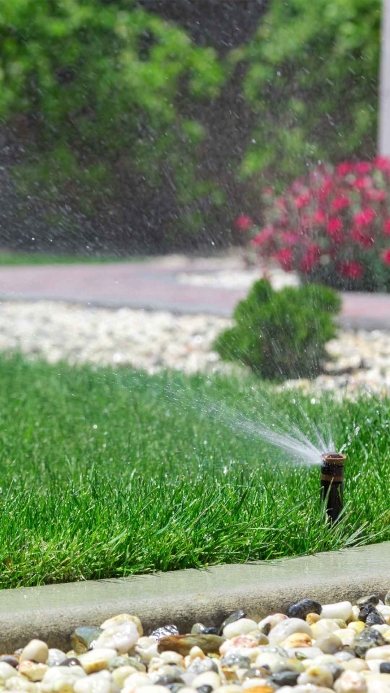
Deep Watering: Kentucky bluegrass prefers deep, infrequent watering. This encourages the roots to grow deeper, making the grass more drought-tolerant. Water your lawn early in the morning to minimize evaporation and ensure the soil absorbs the moisture effectively.
Fertilization: To keep your Kentucky bluegrass lawn healthy, fertilize it during the growing seasons—spring and fall. Use a balanced fertilizer to provide essential nutrients. This will promote vigorous growth and help the grass maintain its rich color.
Aeration and Dethatching: Regular aeration and dethatching are crucial for maintaining a healthy lawn. Aeration improves air, water, and nutrient circulation in the soil, while dethatching removes the layer of dead grass and debris that can hinder growth.
Overseeding: To keep your lawn dense and vibrant, overseed it, especially after winter or extreme weather conditions. This practice helps fill in bare spots and ensures a thick, healthy lawn.
Pest Control: Keep an eye out for signs of pests and diseases. Early detection and treatment are key to preventing significant damage. Use pest control measures as needed to protect your lawn.
Regular Monitoring: Regularly inspect your lawn for any issues and address them promptly. This proactive approach will help you maintain a thriving Kentucky bluegrass lawn that’s the envy of the neighborhood.

Climate and Region Suitability for Kentucky Bluegrass
Kentucky bluegrass is a cool-season grass that flourishes in temperate climates. Here’s what you need to know about its ideal growing conditions:
Temperate Climates: Kentucky bluegrass thrives in regions with moderate temperatures and consistent rainfall. It’s particularly well-suited for areas with cold winters and cool summers, making it a popular choice in the northern United States.
Sun and Soil Preferences: Kentucky bluegrass prefers full sun to partial shade and well-drained soils with a pH between 6.0 and 7.0. These conditions help the grass develop a strong root system and maintain its lush appearance.
Avoid Extreme Conditions: This grass is not recommended for regions with extreme temperatures, high humidity, or poor soil conditions. It struggles in hot, dry climates and areas with heavy clay or sandy soils.
Transition Zone: While Kentucky bluegrass can be grown in the transition zone, it may require additional care and maintenance. Choosing a variety specifically bred for your local climate can help ensure optimal performance.
Versatile Applications: Kentucky bluegrass is versatile and can be used in various applications, including lawns, athletic fields, and pastures. Its ability to withstand foot traffic and recover quickly makes it an excellent choice for high-use areas.
By selecting the right variety and providing the appropriate care, you can enjoy a beautiful Kentucky bluegrass lawn that thrives in your specific climate and region.
Sustainable Practices for the Conscious Homeowner
In our modern world, ecological consideration is crucial in every aspect of life, including lawn care and maintenance. Kentucky bluegrass has the potential to become a part of your conscious living practices, and here’s how:
Water Smart: Opt for sustainable watering habits, such as the use of rain barrels or installing a water-efficient irrigation system.
Eco-Friendly Fertilization: Seek out slow-release, environmentally friendly fertilizers that support both your lawn's health and the health of your local ecosystems.
Integrated Pest Management: Utilize integrated pest management strategies to minimize the use of harmful insecticides and pesticides.
With these sustainability measures in place, your Kentucky bluegrass lawn becomes a shining example of harmony between man and nature.
Common Uses and Applications of Kentucky Bluegrass
Kentucky bluegrass is celebrated for its versatility and durability, making it a popular choice for various applications. Here’s how it’s commonly used:
Residential Lawns: Homeowners love Kentucky bluegrass for its attractive appearance and resilience. Its fine texture and rich color create a stunning lawn that enhances any property. Plus, its ability to recover from foot traffic makes it perfect for family yards.
Athletic Fields: Kentucky bluegrass is a top choice for athletic fields, including soccer, football, and baseball fields. Its durability and ability to withstand heavy use make it ideal for these high-traffic areas. The grass’s quick recovery ensures that fields remain in top condition throughout the season.
Grass Mixtures: Kentucky bluegrass is often used in mixtures with other cool-season grasses, such as perennial ryegrass and tall fescue. These blends create a durable and versatile lawn that can adapt to various conditions and uses.
New Lawns: For new lawns, Kentucky bluegrass is a popular choice due to its ease of establishment from seed. It quickly forms a dense, attractive turf that enhances the landscape.
Overseeding: Kentucky bluegrass is also used for overseeding existing lawns. This practice helps improve lawn density, fill in bare spots, and maintain a lush, green appearance.
Regional Popularity: In Kentucky and other regions, Kentucky bluegrass is a favorite due to its cold hardiness and ability to thrive in a variety of conditions. Its adaptability and resilience make it a reliable choice for many homeowners and landscapers.
Whether you’re establishing a new lawn, maintaining an athletic field, or creating a pasture, Kentucky bluegrass offers the beauty and durability you need.

FAQs for the Curious Homeowner
How do I know if Kentucky bluegrass is right for my lawn?
Assess your climate, soil type, and the desire for a resilient, aesthetically pleasing lawn. If these align with the characteristics of Kentucky bluegrass, it might just be the perfect fit!
Can I grow Kentucky bluegrass in a drought-prone area?
While Kentucky bluegrass prefers consistent moisture, new varieties are more drought-tolerant. Check with local experts or nurseries for the best options for your area.
What's the best way to repair damaged areas in my Kentucky bluegrass lawn?
Overseeding in the fall to help fill in gaps with new growth or laying sod for more significant damaged spots can quickly rejuvenate your lawn.
What's the ideal growing season for Kentucky bluegrass?
Spring and fall are the prime growth periods. Planting during these times ensures the best chance of vigorous growth.
In Conclusion
Kentucky bluegrass is more than just a type of grass; it's a symbol of beauty, resilience, and the American spirit. For homeowners, it's a chance to cultivate a connection with tradition and natural elegance. By understanding the benefits, nurturing with care, and adopting sustainable practices, you can enjoy a Kentucky bluegrass lawn that's not just a part of your home—it's a part of your heritage.
For more tips on transforming your lawn into a work of living art, explore our broader insights into lawn care and home sustainability. Because at Barenbrug, we know that when you care for the earth, it cares for you right back, one blade of bluegrass at a time.
Ready to Plant? Check out our full Homeowner Collection

Turf Blue® | HGT®
-
Powered by HGT® Technology
-
Aggressive Growth
-
Multi-Disease Resistant


