
Technical Guide: Seed Selection for Integrated Pest Management (IPM) and Best Management Practices (BMPs) in Sports Turf and Golf Courses
Seed selection is fundamental to Integrated Pest Management (IPM) and Best Management Practices (BMPs) for sports turf and golf course applications. Choosing the appropriate turfgrass species and cultivars can significantly impact turf resilience, reduce dependency on chemical inputs, and enhance long-term sustainability. By integrating high-performance varieties, turf managers can mitigate pest pressures, optimize playability, and lower maintenance costs. This guide examines the critical factors in turfgrass seed selection, the role of advanced turfgrass technologies, and their contributions to sustainable management.
The Role of Seed Selection in IPM

IPM in turfgrass management relies on a multifaceted approach that integrates cultural, biological, and chemical controls. The foundation of an effective IPM strategy begins with selecting turfgrass varieties that inherently resist pests and environmental stressors. Disease-resistant cultivars, such as L-93 XD™ creeping bentgrass, provide superior defense against fungal pathogens like dollar spot and brown patch, reducing fungicide reliance. Similarly, wear-tolerant products, like Turf Star® | RPR® (Regenerating Perennial Ryegrass), create dense turf stands that suppress weed encroachment and limit herbicide applications. By prioritizing genetic resistance and adaptability in seed selection, turf managers establish a first line of defense against common pest issues while maintaining high-quality playing surfaces.
Turfgrass Characteristics for IPM Success
Optimal turfgrass selection should focus on several key attributes:
- Disease Resistance: Products with HGT® (Healthy Grass Technology) kentucky bluegrass offer superior resilience against necrotic ring spot, summer patch, and leaf spot, reducing the need for chemical interventions.
- Drought and Heat Tolerance: Products with RTF® (Rhizomatous Tall Fescue) technology that produce self-repairing deep root systems, enhance moisture retention and decrease irrigation requirements, promoting water-efficient management.
- Wear and Traffic Tolerance: Athletic fields and high-traffic golf areas benefit from robust products with RPR® (Regenerating Perennial Ryegrass) technology, known for its superior wear resistance and rapid recovery.
- Weed Suppression: Dense, aggressive-growing turf varieties naturally outcompete weeds, minimizing pre-emergent herbicide applications.
- Rapid Establishment: Blends like Turf Blue® Kentucky bluegrass ensure quick germination and establishment, particularly in overseeding applications.
Understanding Seed Blends, Mixes, and Stand Types
Selecting the right seed type involves understanding the differences between seed blends, seed mixes, and the benefits of monostands versus polystands.
- Seed Blends: A blend consists of multiple cultivars of the same species, such as a blend of different Kentucky bluegrass cultivars. This approach enhances genetic diversity within a species, improving disease resistance and adaptability to varying conditions.
- Seed Mixes: A mix contains different turfgrass species, such as a combination of tall fescue, perennial ryegrass, and Kentucky bluegrass. This strategy broadens environmental adaptability, providing better performance under diverse stress conditions.
- Monostands vs. Polystands: A monostand consists of a single turfgrass cultivar, offering uniformity in growth and appearance but increasing vulnerability to specific pests and diseases. A polystand, composed of multiple cultivars or species, enhances resilience by diversifying genetic traits, reducing the risk of widespread damage from disease outbreaks or environmental stressors.
Selecting the Best Turfgrass Species and Blends for Sports Turf and Golf Courses

Different turfgrass species and blends play specific roles in IPM and BMP strategies:
- Kentucky Bluegrass (Poa pratensis): Offers excellent recuperative potential and is essential in cool-season regions, though it requires precise fertility and irrigation management.
- Perennial Ryegrass (Lolium perenne): Features rapid germination, making it ideal for overseeding, particularly with advanced cultivars such as RPR, which spreads through determinate stolons.
- Tall Fescue (Festuca arundinacea): Cultivars like RTF form self-repairing, drought-resistant turf that thrives in a variety of conditions.
- Fine Fescues (Festuca spp.): Used in shaded and low-maintenance areas due to their tolerance for minimal inputs.
- Creeping Bentgrass (Agrostis stolonifera): High-end golf courses benefit from advanced selections like L-93XD and T-1, which offer improved disease resistance and reduced chemical dependency.
- Bermudagrass (Cynodon dactylon) and Zoysiagrass (Zoysia spp.): Warm-season options like Monaco Bermudagrass are prized for their durability, water efficiency, and competitive growth.
A-LIST Certification and Sustainability in Turfgrass Selection
The Alliance for Low Input Sustainable Turf (A-LIST) program evaluates turfgrass varieties for sustainability, focusing on reduced water, fertilizer, and pesticide requirements. A-LIST-certified products, such as Barenbrug USA’s HGT Kentucky bluegrass sod and Wildfire Tall fescue, meet stringent performance criteria while promoting eco-friendly turf management. By integrating A-LIST-certified cultivars into their seed selection process, turf managers can improve sustainability while ensuring high-quality, durable playing surfaces.
Seed Enhancements and Coatings for IPM Success
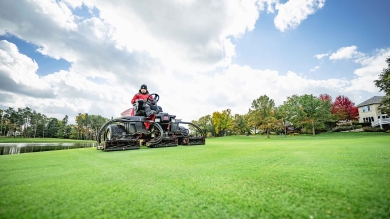
Modern seed technologies provide additional benefits that support IPM strategies:
- Moisture-Retaining Coatings: Yellow Jacket® technology from Barenbrug USA enhances water retention, improving seedling establishment under drought and heat stress.
- Biological Seed Treatments: Mycorrhizal inoculants and microbial coatings improve nutrient uptake and root development.
- Fungicidal Coatings: Offer an additional layer of disease protection, particularly during early establishment.
Best Management Practices (BMPs) for Seed Selection and Use
To maximize seed selection benefits, BMPs should be followed:
- Site-Specific Seed Selection: Choose varieties suited to local climate, soil conditions, and turf use requirements.
- Proper Seeding Rates: Over-seeding at optimal rates prevents weak turf susceptible to disease and compaction.
- Seasonal Timing: Planting during appropriate growing windows ensures successful establishment and minimizes seed loss.
- Soil Preparation: Conduct soil testing to ensure proper nutrient availability and pH balance before seeding.
- Irrigation and Mowing Practices: Implement efficient watering and mowing regimes to maintain healthy turf with reduced pest pressures.
- Routine Overseeding: Regular overseeding with high-performance blends maintains turf density, reducing weed infestations and disease outbreaks.
Conclusion
Selecting the right turfgrass seed is a fundamental aspect of IPM and BMPs for sports turf and golf course management. By integrating disease-resistant, stress-tolerant, and sustainable turfgrass varieties, turf managers can reduce pesticide reliance, enhance playability, and promote long-term environmental stewardship. Incorporating A-LIST-certified products, advanced seed technologies, and tailored BMPs into turfgrass programs ensures resilient, high-performing turf that meets modern management challenges. By working with industry leaders like us, professionals can access cutting-edge seed innovations that align with both agronomic and sustainability goals.


