
Top Tips for Maintaining a Lush Bermudagrass Lawn
Bermudagrass Basics
Bermudagrass is a warm-season grass that thrives in tropical and subtropical regions, making it a popular choice for lawns in the southern United States. This perennial grass bursts into life from late spring through the hot summer months, showcasing its vibrant green hues. However, unlike its warm-season cousin Zoysia grass or the cool-season grasses, Bermudagrass is more sensitive to cold temperatures. This sensitivity limits its use north of the “transition zone,” where winters can be harsh.
For Bermudagrass to flourish, it needs full, direct sunlight and well-drained soil. It’s a sun-worshipper, basking in the rays to maintain its lush appearance. If you’re looking to create a Bermuda lawn, ensure your site offers plenty of sunshine and good drainage to keep this warm-season grass happy and healthy.
A Closer Look at Bermudagrass
A grass known for its toughness, Bermudagrass is the backbone of many a green acre. Bermuda lawns require specific maintenance strategies such as seeding, aeration, and scalping to ensure healthy growth and vibrant color. This warm-season turfgrass boasts a fine texture and lustrous, dark green tones that beckon to the zest of summer. It’s not just a pretty facade though; Bermudagrass is a botanical sprinter, spreading through above-ground stolons and under-ground rhizomes with such determination, it can cover ground at a jaw-dropping pace, up to two inches per week under optimal conditions. Early summer is a crucial period for growth and maintenance, making it an ideal time for tasks like aeration and fertilization.
What Does Bermudagrass Need to Thrive?

Relentless sun and warm weather are its elixirs; it loses its luster in shady spots and musters the strength to battle drought and high ambient temperatures. Humility isn’t its forte, but it’s not ideal in winter’s cold clutch. Regular pruning is its kryptonite for looking its very best. Fertilization in the warmer months beckons the best in Bermudagrass, and watering when the heavens hold back is an obligation for a steadfast stand against wilting. When planting, using high-quality bermuda grass seed is crucial for optimal results, whether seeding new lawns or overseeding existing ones. Additionally, watering your lawn early in the morning helps prevent fungal diseases and promotes a healthy environment for the grass to thrive.
Types of Bermudagrass
When it comes to Bermudagrass, variety is the spice of life. There are several types to choose from, each with its own unique characteristics and advantages.
Common Bermudagrass is the most widely used type, known for its durability and low maintenance requirements. It’s a reliable choice for those seeking a resilient and easy-to-care-for lawn.
Hybrid Bermudagrass is a cross between two different bermudagrass plants. The resulting variety offers improved characteristics such as a finer texture and increased shade tolerance, making it a versatile option for different lawn conditions.
Dwarf Bermudagrass is a compact, low-growing variety that’s perfect for lawns with limited space. Its dense growth habit makes it an excellent choice for creating a lush, green carpet in smaller areas.
Each type of Bermudagrass has its own set of benefits, so it’s important to choose the one that best suits your specific needs and lawn conditions.
The Heat Lovers: States Best Suited for Warm Season Grasses
Certain warm-season grasses, like Bermuda, are tailor-made for climates where summers are long, hot, and humid, and winters are mild. This resilient grass species is an ideal match for the southern US, where it can bask in the heat and is highly drought-tolerant. States including Texas, Louisiana, Georgia, and South Carolina provide the perfect year-round conditions for Bermudagrass to thrive. Additionally, sandy soils in these regions drain well and dry out faster than clay soils, impacting the watering and fertilization practices necessary for successful grass growth.
Adapting to Cooler Regions
While it may seem like Bermudagrass is forever sun-soaked, there are ways for it to adapt to slightly cooler environments. Areas bordering its preferred zone can incorporate overseeding with cool-season grasses in winter, using growth regulator products, and even selecting newer cold-tolerant Bermuda varieties to make the most of their growing seasons. Early spring is the ideal time to start overseeding and other maintenance activities to ensure a thriving lawn ecosystem.
The Necessities of Cultivation
Creating a Bermudagrass haven isn’t simply about the climate. It’s a relationship between the soil, location, and the care you provide that nurtures this grass to its full potential. Effective weed control is crucial during cultivation, particularly in managing grassy weeds and preventing weed seeds from germinating. Utilizing pre-emergent herbicides can help target these issues, ensuring a healthy and lush Bermudagrass lawn.
Soil and pH Requirements
Bermuda, a sunshine junkie, prefers soils with good drainage and a pH range of 5.8 to 7.2. Monitoring soil temperatures is crucial for optimal Bermudagrass growth, as specific temperature thresholds indicate when the grass becomes actively growing. If your earth doesn’t quite measure up, amendments are your friends. Organic matter or pH adjustments can prepare the canvas for Bermuda’s green masterpiece.
Sun and Shade
For Bermuda, sunlight is food. Eight hours is the full-course meal; any less and your grass might begin to thin out. To keep your lawn green and maintain the health and appearance of your Bermuda grass, it is crucial to ensure it receives adequate sunlight. If trees or structures cast their shadows, giving Bermudagrass ‘full sun rights’ is a must.
Bermudagrass Lawn Installation
Installing a Bermudagrass lawn can be done in several ways, each with its own set of advantages.
Sod installation is the most common method, providing an instant lawn that can be installed at any time of the year. It’s a quick and effective way to achieve a beautiful Bermuda lawn.
Seed installation is a more cost-effective option, but it requires more time and effort to establish a healthy lawn. Patience is key, as it takes longer for the grass to grow and fill in.
Sprig installation involves planting small pieces of Bermudagrass, which can be more time-consuming but offers better results in areas with poor soil quality. This method allows the grass to establish strong roots and adapt to challenging soil conditions.
Proper installation is crucial to ensure a healthy and thriving Bermudagrass lawn. Whether you choose sod, seed, or sprigs, taking the time to install your lawn correctly will pay off in the long run.
Maintenance Guidelines
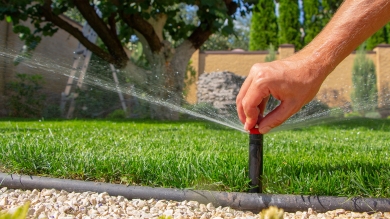
A healthy Bermudagrass carpet is a well-fed and watered one. Knowing how to care for it, including how to kill weeds effectively during maintenance, is as crucial as its location.
Fertilization
Fair to say, Bermudagrass loves to eat — a controlled-release fertilizer with a 4:1 nitrogen to potassium ratio during its growing season can keep it satisfied. Avoid feeding during its dormant stage in winter. Early summer is an ideal time for fertilization, as the warm temperatures promote active growth.
Irrigation
Moderation is key with Bermuda and water. A weekly deep soak is perfect; too much water can lead to root rot and other problems. Monitoring air temperatures is crucial, as higher air temperatures may necessitate more frequent watering to maintain optimal growing conditions. An in-ground irrigation system can simplify this task and ensure your Borg-like lawn adapts to your schedule and local water regulations.
Mowing and Maintenance
Maintaining a Bermudagrass lawn requires regular mowing to keep it looking its best. The recommended mowing height for Bermudagrass is between 1 and 2 inches, depending on the type and intended use of the lawn. Using a sharp lawn mower blade is essential to prevent tearing the grass and to maintain a clean cut.
In addition to mowing, Bermudagrass needs regular watering, fertilization, and pest control to stay healthy. A consistent maintenance routine will help prevent common lawn problems and ensure your Bermuda grass lawn remains lush and vibrant.
Defending Against Grassy Weeds
The strength of Bermudagrass is its resilience against pests and disease, but it’s not invincible. Consistent fertilization and watering schedules help it develop a robust defense system. During the winter months, it's crucial to manage winter weeds like Annual bluegrass, which can compete with Bermudagrass for nutrients. Pre-emergent treatments are essential in preventing these winter weeds from establishing in the lawn. If problems arise, organic controls and periodical aeration are your weapons of choice.
Bermudagrass Lawn Problems
While Bermudagrass is known for its resilience, it’s not immune to lawn problems. Weeds, pests, and diseases can all pose challenges to maintaining a healthy Bermuda lawn.
Common weeds that can infest Bermudagrass lawns include crabgrass, dandelions, and broadleaf weeds. These invaders can compete with your grass for nutrients and water, so effective weed control is essential.
Pests such as white grubs, chinch bugs, and billbugs can also cause damage to Bermudagrass lawns. Regular monitoring and appropriate pest control measures can help keep these critters at bay.
Diseases like fungal infections and bacterial leaf spot can affect Bermudagrass, especially in humid conditions. Proper lawn care practices, such as adequate watering and fertilization, can help prevent these issues.
By staying vigilant and addressing problems early, you can ensure your Bermudagrass lawn remains healthy and thriving throughout the year.
A Bermuda Story For All Seasons
Once established, Bermudagrass provides delightful greenery during your outdoor sojourn in any season. It's not just a summertime fling; it's a year-round love story with your lawn.
Springing To Life
Spring is the season of renewal for Bermuda. Temperature climbs, and so does its growth. Be gentle with your first mowing, never removing more than a third of its height to promote strong growth.
Early spring is the ideal time to start maintenance activities, including applying pre-emergent herbicides to prevent weed germination.
Summer Lovin'
This is when Bermuda shines — growth is explosive under the summer sun. With your diligent care in place, it can withstand the foot traffic of family barbecues and those volleyball games that get a little out of hand. Early summer is the ideal time to start maintenance activities such as aeration and fertilization to ensure optimal lawn health.
Fall's Farewell
As autumn awakens, growth slows. It's the perfect time for that last fertilization and overseeding cooler grasses, ensuring your lawn stays healthy and beautiful as winter approaches.
Weathering the Winter
During the winter months, Bermudagrass goes dormant, turning brown while it waits for warmer days. Scalping it or tucking it in with a thick layer of mulch can help protect it from the coldest months. Then, when spring rekindles the fire, it's time to start over — another cycle in the Bermuda story.
Choosing the Best Bermuda for You
Not all Bermudagrass is created equal. Newer hybrid varieties offer improved characteristics such as finer texture, better tolerance to shade, and lower water needs. Research your options and select the best Bermuda for your lawn's unique needs and quirks.
In Conclusion
Bermudagrass is the green emblem of rugged American lawns, a symbol of endurance and beauty. While it thrives predominantly in the warmer southern states, with a little ingenuity and a lot of love, homeowners across the US can carve out a green oasis of their own.
Making Bermuda work for you is a tale of understanding its needs, finding the right spot, and nurturing it through every season. And remember, the story you craft with your lawn is just that — yours. It's personal, just like the warm, caring, and encouraging voice behind this guide. Wishing you the best of luck as you cultivate your own slice of Bermuda paradise.
Ready to Plant? Check out our full Homeowner Collection

Monaco | Yellow Jacket®
-
Yellow Jacket® enhanced for faster establishment
-
Excellent wear tolerance and turf quality
-
Early spring green-up and excellent drought tolerance


