
Ultimate Guide to Grass Seed for Shade Areas
If you have a lawn that is shaded by trees, buildings, or other structures, it can be challenging to maintain a healthy and attractive lawn. One of the key factors in successfully growing grass in shaded areas is choosing the right grass seed for shade. When you are comparing options and trying to pick the best grass seed for shaded areas, it helps to understand how shade affects turf. In this guide, we’ll explore the science of shade-tolerant grass seeds, infusing our readers with the knowledge to choose and cultivate the ideal grassy haven under the green canopy of any tree.
Understanding Shade-Tolerant Grasses
For a heavily shaded lawn, it’s essential to select a variety that’s strong enough to thrive while doing the shadow dance with high-canopy tree species. These grasses are adept at photosynthesis, even with minimal light, ensuring your shaded lawn flourishes. What makes a grass seed “shade-tolerant”? It’s rooted in their genetic makeup, literally, and is what separates ordinary seed from the best grass seed for shade.
Cool season grasses, such as fine fescue and tall fescue, are particularly well-suited for shaded environments due to their superior shade tolerance and ability to thrive in cooler temperatures. These are often considered among the best grass for shade in many cool climates.

Blends designed for shade incorporate a mix of fine fescues, a resilient group that includes creeping red fescue (Festuca rubra), chewings fescue (Festuca rubra subsp. commutata), and hard fescue (Festuca trachopylla). These fine-foliaged friends don’t just look the part, they play it too, with roots that reach deep for moisture and nutrients, ideal for low-light conditions and shallow soils beneath tree cover. This makes them a reliable grass seed for shade and even one of the best grass seed for shade and poor soil combinations you can plant.
These high shade tolerant fescues often share the stage with perennial ryegrass (Lolium perenne) and Kentucky bluegrass (Poa pratensis). Perennial ryegrass, a quick-growing species with a knack for rapid expansion, is like the understudy who shines bright in challenging roles. Meanwhile, Kentucky bluegrass, the diva of the grass world, brings her dense growth pattern and aesthetic appeal to the mix. Together, they create an ideal grass mixture for shady areas with good wear tolerance, reducing bare patches and limiting moss growth. In warmer transition zones, tall fescue is often the best grass for shade in Georgia and similar states, especially where tree cover and traffic are both concerns.
Types of Shade
Shade is a critical factor in determining the health and growth of your lawn. There are several types of shade, each with its unique characteristics and implications for lawn growth.
- Dappled Shade: Sunlight filters through leaves, creating a mosaic of light and shadow. Many shade-tolerant blends and the best grass seed for shaded areas perform well here, especially fine fescue mixes.
- Partial Shade: Areas that receive indirect sunlight for most of the day. Creeping red fescue and perennial ryegrass are good options when you need adaptable grass seed for shade that can also handle a few hours of sun.
- Full Shade: Areas with little to no direct sunlight. Growing grass here is challenging, but not impossible, with specialized shade-tolerant blends that rank among the best grass seed for shade and poor soil, especially under mature trees where roots compete for moisture.
- Deep Shade: The most difficult environment, characterized by dense tree cover or buildings. Fine fescue blends are often the best grass seed for shaded areas in these conditions.
In the Southeast, where heat and humidity add to the challenge, tall fescue is frequently recommended as the best grass for shade in Georgia, particularly in urban yards with both buildings and tree shade.
Preparing Soil
Even the best grass for shade needs a healthy supporting ecosystem. Shaded lawns often suffer from compaction and low fertility, so loosen the soil 4–6 inches deep and mix in rich organic compost. This is especially important when you want the best grass seed for shade and poor soil to establish quickly and stay dense.

Sowing Seeds for Shade
Follow the seeding rate on the label of your chosen grass seed for shade blend. Spread evenly, lightly rake for good soil contact, and top with a thin layer of mulch to conserve moisture. Water gently and keep the seedbed consistently moist until seedlings are established.
Maintaining a Healthy Shaded Lawn
Once your best grass seed for shade has germinated, focus on:
- Soil care: Add organic matter periodically to support root growth.
- Watering: Deep, infrequent watering encourages deeper roots.
- Mowing: Mow a bit higher in shade so leaves can capture more light.
- Fertilization: Use a balanced fertilizer formulated for shaded lawns.
With the right grass seed for shade, proper soil preparation, and consistent care, you can enjoy a dense, green lawn even where sunlight is limited.
Ready to Plant? Check out our full Homeowner Collection


Wonderlawn® Shady
-
Grows best in areas with shade cover
-
Designed to thrive in northern regions
-
Germinates in just 7-12 days
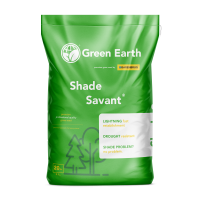
Shade Savant®
-
Lightning fast establishment
-
Shade compatible
-
Resistant to drought