
Best Grass Seed for Lawn with Partial Sun and Shade
If you have a lawn that receives both sun and shade, choosing the right type of shade grass seed is important to ensure a healthy and attractive lawn. Sun and shade lawns require a grass seed that can adapt to varying light conditions and temperature changes.
Understanding Your Unique Lighting
Before we dive into the intricate world of grass species, it’s paramount that we understand the light map of our lawn. There’s a story in every nook that’s cast in shade, every inch of grass that eagerly licks up sunlight. Here are the two key players you need to identify:
- Partial Sun – This is the area that receives anywhere from 4 to 6 hours of sunlight a day. It’s the goldilocks of lawns, just enough to keep the grass growing happily.
- Shade – For the areas with much less, from dappled shade under the trees to a few fleeting moments of direct sun, shade presents its challenges. Understanding the shade tolerance of different grass types, such as rough bluegrass, perennial ryegrass, and fine fescue, can help you choose the right grass for these conditions.

The Green All-Stars for Sun and Shade
When it comes to shaded lawns, a strategic mix of cool season grass varieties that can stay in harmony even as the light shifts is the goal. Here’s a look at who’s who in the world of cool-season grasses:
Fine Fescues
They’re the unsung heroes of the shaded garden – resilient, deep-rooted, and with a softness that rivals the best of them. Fine fescues are a family of grasses known for their fine texture, deep color, and most importantly, their robust adaptability to shady, drought-prone landscapes. Chewings fescue, creeping red fescue, and hard fescue are the trifecta to look out for. Additionally, incorporating other cool season grasses like Kentucky bluegrass and perennial ryegrass can create a more resilient and adaptable lawn mix.
Perennial Ryegrass
In the world of grass, ryegrass is the sprinter – quick to germinate, quick to fill in. It’s a fast-growing patch of green that can add immediate luster to your lawn, helping to stabilize the soil and build a sturdy, sun-shade resilient turf, especially in shady areas.
Kentucky Bluegrass
Who could forget the classic Kentucky bluegrass? With its deep-green hue and majestic, almost field-like consistency, this grass is a staple of many suburban paradises. Although a fan of direct sun, it holds its own quite well in partial sun, triumphing over many with its dense growth. Tall fescue is another versatile grass type suitable for partial sun and shade.
Characteristics of Shade Tolerant Grasses
Shade-tolerant grasses are the unsung heroes of shaded areas, designed to thrive where sunlight is scarce. These grasses have evolved to flourish with minimal light, making them perfect for lawns with dense shade or partial shade. Their secret lies in their unique characteristics:
- Deep Root Systems: Shade-tolerant grasses develop deep roots to access water and nutrients hidden beneath the surface, ensuring they stay nourished even in low-light conditions.
- Slower Growth Rates: To conserve energy and resources, these grasses grow at a more leisurely pace, which means less frequent mowing and maintenance for you.
- Fine Textures and Needle-like Blades: Their delicate, fine textures and slender blades create a soft, lush carpet that feels wonderful underfoot.
- Low-Maintenance Requirements: These grasses are designed to be hardy and resilient, requiring less water and care compared to their sun-loving counterparts.
- Efficient Photosynthesis: Shade-tolerant grasses can photosynthesize with minimal light, making the most of every ray that filters through the canopy.
Examples of these resilient grasses include fine fescues, perennial ryegrass, and Kentucky bluegrass. These varieties are often blended into shade lawn seed mixes, creating a vibrant and lush lawn even in the shadiest corners of your garden.
Selecting the Right Seed Mix
Preparing to plant in partial sun and shade is akin to baking a cake – it’s in the mix. A well-balanced combo of the above stars and maybe a sprinkle of other cool-season champions can be the difference between a resilient lawn and a patchy one. Look for mixes with varying proportions, adjusting for the unique light patterns of your lawn.
Warm season grasses, such as Zoysia and St. Augustine, are particularly suitable for hot summer temperatures and can be a great choice for regions with extreme temperature variations.
Preparing Soil for Shade Lawns
The foundation of a thriving shade lawn starts with well-prepared soil. Here’s how to set the stage for success:
- Clear the Area: Begin by removing any competing plants, limbs, or leaves that could hinder the growth of your new grass. A clean slate is essential for healthy development.
- Aerate the Soil: Loosen the soil to a depth of at least six inches. This invites roots to plunge deep, securing a strong foothold and promoting robust growth.
- Incorporate Organic Compost: Enrich the soil with organic compost. This not only nourishes the tender feeder roots but also improves soil texture and its ability to hold nutrients.
- Adjust Soil pH: Test the soil pH and make necessary adjustments to create optimal growing conditions. Most shade-tolerant grasses prefer a slightly acidic to neutral pH.
By taking these steps, you create a nurturing environment where shade-tolerant grasses can thrive, transforming your shaded areas into lush, green havens.

Planting Seeds for Success
With the right mix in hand, including the best shade grass seed for areas with limited sunlight, it’s time to turn to the soil. Patience is a virtue, and preparation is its best friend in the world of gardening. Clear the area, loosen the soil to give the seeds a running start, and perhaps nourish the earth with a little organic compost to keep it well-fed.
Common Challenges with Shade Lawns
Maintaining a shade lawn comes with its own set of challenges, but understanding them can help you keep your lawn healthy and vibrant:
- Reduced Growth Rates: Shade lawns often grow slower than those in full sun, making them more susceptible to weed invasion and disease. Regular monitoring and timely intervention can help keep these issues at bay.
- Increased Disease Susceptibility: Low-light conditions can make shade lawns more prone to diseases like powdery mildew and rust. Ensuring good air circulation and proper watering practices can mitigate these risks.
- Increased Weed Growth: Weeds can outcompete shade grasses for resources, leading to an overgrowth in shaded areas. Regular weeding and the use of appropriate herbicides can help manage this problem.
- Difficulty Establishing a New Lawn: Establishing a new shade lawn can be challenging, especially if the soil is poor or the grass species is not well-suited to the conditions. Choosing the right shade-tolerant grass seed and preparing the soil properly are crucial steps to success.
By being aware of these challenges and taking proactive measures, you can ensure your shade lawn remains a lush, green sanctuary, even in the most shaded areas of your garden.
Nurturing Your Lawn to Maturity
The seeds are sown, and the land is tended – now is the time for you to help nature take its course, even in shady areas. This means consistent watering to aid germination and a healthy balance of gentleness and protective fortitude as your young grasslings grow. Soon, you’ll have a rich, vibrant lawn that adapts as seamlessly to the changing shadows as it does to the warm, caressing sun.
A lush, thriving lawn in your patchwork of sun and shade isn’t an impossibility; it’s a reflection of your careful choice of grass seed and the tender care you invest in your home’s natural canvas. With Barenbrug’s touch, you can ensure that your lawn’s resilience becomes a testament to the beauty of balance – just enough sun, just enough shade, and an abundance of life in every blade.
Ready to Plant? Check out our full Homeowner Collection


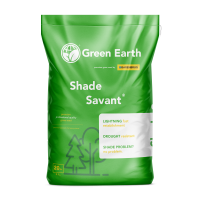
Shade Savant®
-
Lightning fast establishment
-
Shade compatible
-
Resistant to drought