
Will Dense Shade Grass Seed Grow in Sun? A Clear Answer for Homeowners and Gardening Enthusiasts
Creating a vibrant, green lawn in your backyard is a common ambition among homeowners, gardening beginners, and lawn care enthusiasts. If you’ve recently purchased or are considering using dense shade grass seed for sunnier areas of your yard, you might be asking yourself, Will dense shade grass seed actually grow in the sun? The answer isn’t a simple yes or no—but understanding what makes shade grass thrive (and where it can struggle) will help you achieve a beautiful lawn in all lighting conditions.
Establishing a new lawn requires careful consideration of seed types suitable for different environmental conditions, along with proper soil preparation and care after sowing the seeds.
Introduction to Shade Lawns
Creating a lush and thriving lawn in shaded areas can be a challenging task, but with the right grass seed and proper care, it’s achievable. Shade lawns require special attention to the type of grass seed used, as well as the growing conditions and maintenance. In this section, we’ll introduce the concept of shade lawns and the importance of choosing the right grass seed mix for your specific shade conditions. Whether you have dense shade, partial shade, or moderate shade, there’s a grass seed mix that can help you achieve a beautiful and healthy lawn.
Shade lawns are unique because they receive less sunlight compared to other parts of your yard. This means the grass seed mix you choose must be specifically designed to thrive in low-light conditions. Dense shade areas, for example, might only get 2-4 hours of sunlight per day, while partial shade areas receive a bit more. Selecting the right grass seed mix for these shaded areas is crucial for establishing a vibrant and resilient lawn.
What is Dense Shade Grass Seed?
Dense shade grass seed contains varieties specifically bred to flourish in low-light areas. These mixes typically feature cool-season grasses such as fine fescues (like creeping red fescue, chewings fescue, and hard fescue), perennial ryegrass, and sometimes Kentucky bluegrass or tall fescue. They’re excellent problem-solvers for lawns shaded by trees, fences, or buildings, thanks to their:
- Deep root systems for drawing up water in tough spots
- Impressive ability to photosynthesize with minimal light
- Slower growth rates that conserve energy
- Fine, lush textures for a carpet-like lawn
Using dense shade seed can be particularly effective in challenging gardening conditions. Additionally, selecting high-quality shade tolerant grass seed is crucial for achieving optimal results in low-light areas.
But what happens when you sow these shade-tolerant seeds in sunny areas?
When planting new grass, it is important to ensure proper care, including waiting to mow until the grass reaches a certain height to ensure its healthy development.
Growing Conditions for Dense Shade
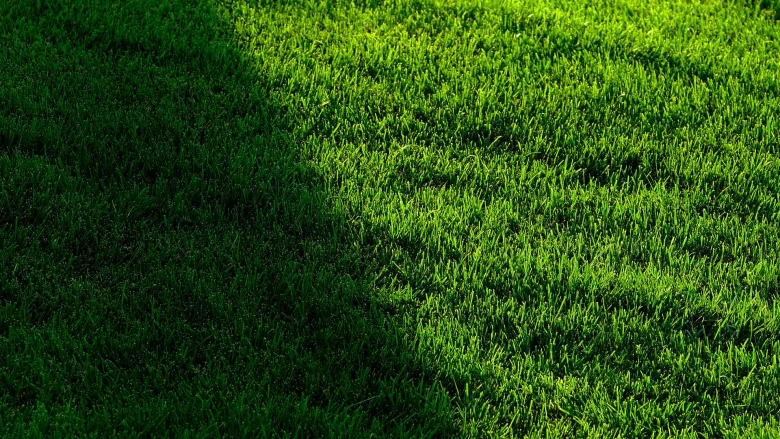
To successfully grow grass in dense shade, it’s essential to understand the growing conditions required. Dense shade areas typically receive less than 4 hours of direct sunlight per day, and the soil may be more prone to moisture retention. In these conditions, a dense shade grass seed mix is the best option. This type of mix usually contains a blend of shade-tolerant grass species, such as fine fescue, and perennial ryegrass. These grasses have adapted to thrive in low-light conditions and can tolerate the unique challenges of dense shade.
Fine fescues, for instance, are known for their ability to grow well with minimal sunlight and their fine, lush texture. Tall fescue is another excellent choice, offering durability and a deep root system that helps it withstand the challenges of shaded environments. Perennial ryegrass adds to the mix with its quick germination and establishment, ensuring your lawn gets off to a strong start even in dense shade. By choosing a grass seed mix tailored for dense shade, you can create a healthy and attractive lawn in areas that receive very little sunlight.
How Shade-Tolerant Grasses React to Full Sun
Adaptability and Limits
While some shade grasses (especially blends) are resilient enough to tolerate some sun, most are not ideally suited for full, direct sunlight in a shady area. Here’s why:
- Slower Growing Habit: These grasses grow slowly by design to conserve resources in low-light—which can mean they struggle to outcompete weeds or recover from heavy foot traffic in sunny areas.
- Heat and Drought Sensitivity: Shade seed varieties are often more delicate, making them prone to stress, browning, or thinning during hot, dry spells.
- Potential for Damage: Without enough shade, certain fine fescues and other shade specialists may become thin, pale, or patchy, leaving your lawn looking uneven.
In shady areas, selecting the right grass types, such as fine fescue and perennial ryegrass, is crucial for maintaining a healthy and aesthetically pleasing lawn.
Takeaway: While dense shade grass seed will germinate in sunny spots, it won’t thrive in the long run and won’t give you the lush, resilient green you expect from a sun-optimized seed mix.
Preparing Soil for Growing Grass
Preparing the soil is a critical step in growing a healthy lawn, especially in shaded areas. The soil should be loosened to a depth of at least 6 inches to allow for proper drainage and aeration. Remove any debris, such as leaves or branches, and add a layer of organic matter like compost or mulch to improve soil structure and fertility. It’s also essential to test the soil pH and adjust it if necessary, as most grass species prefer a slightly acidic to neutral soil pH. By preparing the soil properly, you’ll create an ideal environment for your grass seed to germinate and grow.
Start by using a garden fork or tiller to break up the soil, ensuring it’s loose and well-aerated. This helps the grass roots penetrate deeply and access essential nutrients. Adding organic matter like compost or mulch not only improves soil fertility but also enhances moisture retention, which is particularly important in shaded areas where evaporation rates are lower. Testing the soil pH can be done with a simple home test kit, and if adjustments are needed, the right fertilizer can be added to achieve the desired pH level. Proper soil preparation sets the foundation for a lush and healthy lawn, even in the most challenging shaded areas.
Which Grass Seeds Are Best for Sun vs. Shade?
For Shade:
- Fine fescues (creeping red, chewings, hard fescue)
- Perennial ryegrass
- Tall fescue (for part-shade)
- Blends specifically labeled for shade or dense shade
For Sun:
- Kentucky bluegrass
- Tall fescue (robust even in sun)
- Perennial ryegrass
- Zoysia grass or bermudagrass (for warm, sunny climates)
Expert Tip: For mixed-light lawns, choose a sun-and-shade mix that combines shade-tolerant and sun-loving varieties for the most resilience across changing conditions. Source
Blended Grass Seed Mixes for Variable Yards
Many homeowners have lawns with areas of both deep shade and bright sun. The good news is that we offer sun-and-shade blends or premium seed mixtures specially designed for these transitional spaces. These mixes might contain:
- Fine fescues and perennial ryegrass for shade
- Kentucky bluegrass or tall fescue for sun
For best results, spread the seed during late fall or early spring, ensuring proper soil preparation and moisture.
This tailored approach means your lawn can establish well in dappled light, partial sun, or spots that shift between sunny and shady as the seasons change.
What Can Happen If You Plant Dense Shade Grass Seed in Full Sun?
If you decide to plant a pure dense shade mix in direct sun, expect:
- Slow, sparse growth
- Increased browning and vulnerability during summer
- A weaker, patchier appearance compared to sun-adapted grasses
- Higher risk of weed invasion
Even with extra care, these lawns may not look their best and will likely require more attention, water, and reseeding over time.
How to Achieve a Healthy Lawn in Both Sun and Shade
- Map Your Light: Walk your yard and note where the sun hits and for how long each day.
- Choose the Right Mix: Use shade-specific seed for areas that get less than 4 hours of sun. For sunny spots, pick varieties proven to thrive in high light.
- Use Sun-and-Shade Blends for Mixed Areas: If your whole yard gets mixed lighting, look for a reputable sun-and-shade grass seed mix for consistent coverage.
- Prepare Your Soil: Good soil prep (removal of debris, aeration, compost) benefits all grass types and helps both shade and sun varieties establish strong roots.
- Water Carefully: Shady lawns need less frequent watering; sunny spots will require more. Watch soils so they remain moist, not soggy or dry.
- Mow and Fertilize Properly: Keep mower blades sharp, and avoid removing more than a third of blade height at once. Use gentle, balanced fertilizers to support healthy growth in all areas.
Grass seeds should ideally be planted in early spring or late fall to ensure optimal growth and establishment.
Summary Table: Sun vs. Shade Grass Needs
| Feature | Dense Shade Grass Mix | Sun-Optimized Grass Mix |
|---|---|---|
| Best for | 2-4 hours or less of sun | 6+ hours of direct sun |
| Example Varieties | Fine fescues, ryegrass | Bluegrass, tall fescue, bermudagrass |
| Tolerance to heat/drought | Low | High |
| Growth speed | Slow | Moderate/Fast |
| Texture | Fine, lush | Medium-coarse, dense |
The Bottom Line
Dense shade grass seed may sprout in the sun, but it’s unlikely to thrive. For the healthiest, most beautiful lawn, always match your grass seed to your yard’s unique light conditions. If you have both sun and shade, opt for a balanced blend designed for mixed environments. This ensures every blade can shine, no matter how the sunlight falls.
Need More Help?
If you’re feeling unsure about which seed is best for your property, Barenbrug is here to walk alongside you. Our homeowner collection features blends for every yard—from deep shade to bright, sunlit stretches. Explore our guides and product recommendations or connect with our experts for caring, personal lawn advice.
Ready to Plant? Check out our full Homeowner Collection

Turf Sense® Sun & Shade
-
Suitable for all light conditions, ensuring lasting green coverage
-
Our expert blend includes resilient, vitality-rich varieties
-
Thriving across seasons and enhances curb appeal year-round

Wonderlawn® Sunny
-
Perfect for areas with ample sun
-
Best when planted in early spring or fall
-
Sprouts quickly with germination in just 7 to 12 days

Wonderlawn® Sun and Shade
-
Thrives in full sun to partial shade, maintaining a lush green color in variable conditions
-
99.9% weed free
-
Superior resistance to insect disease and drought
