Natural Grass vs Artificial Turf: Which is Better for Your Turf Field?
Choosing between natural grass and artificial turf is a big decision for Sport field managers and landscapers. Whether you’re designing a backyard lawn, a community sports field, or renovating a school playground, the surface you choose has a huge impact on playability, safety, the environment, and your budget. Let's walk through the benefits of each with a special focus on turf fields, so you can make the best decision for your space and your needs.
What Makes a Great Turf Field?
A turf field is more than just a surface for sports or relaxation. It’s where kids score their first goal, where weekend barbecues are held, and where communities gather. The ideal turf field is safe, resilient, beautiful, and manageable.
Why Choose Natural Grass?
1. Safety and Comfort
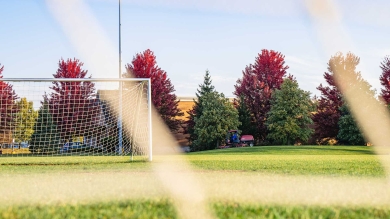
One of the biggest reasons people choose natural grass is safety. Natural grass has a soft, forgiving surface that cushions falls and minimizes impact, which is especially important for children and athletes. It absorbs heat instead of reflecting it, keeping the field cooler even on hot days.
2. Superior Environmental Benefits
Natural grass isn’t just good for your feet, it’s great for the planet, too. Living turf captures carbon dioxide, releases oxygen, cools the air, and helps reduce urban heat. Grasses like RTF® Sod tall fescue and HGT® Sod Kentucky bluegrass are engineered to be environmentally friendly and require less water, less fertilizer, and fewer chemicals than many artificial alternatives. They help filter stormwater, preventing runoff and supporting a healthier ecosystem.
3. Low Maintenance and Long-Term Cost Savings
Modern natural grass sods like RTF® Sod tall fescue and HGT® Sod Kentucky bluegrass are specifically developed to thrive in various climates. These varieties offer:
- Self-repairing abilities (thanks to underground rhizomes)
- High tolerance to both sun and shade
- Drought and disease resistance
- Dense, uniform growth for a lush look year-round
Their resilience to traffic means less patching and lower replacement costs. Regular mowing, watering, and occasional fertilization are all it takes to maintain a healthy field.
4. Playability for Sports Enthusiasts
For sports fields, the uniform surface and natural give of high-quality sod result in reliable playability and fewer injuries, making them a favorite among athletes and coaches.
5. Naturally Healthy and Safer
Natural grass doesn’t come with hidden chemical exposures or unknowns. With endophyte-enhanced varieties, the lawn is naturally resistant to insects, diseases, and droughts, reducing the need for pesticides and making it safer for pets and children.
What About Artificial Turf?
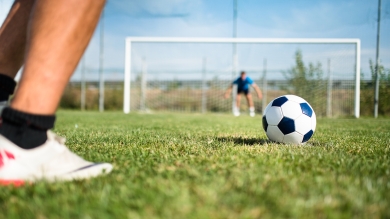
Artificial turf has become more popular on turf fields due to its all-weather durability and promise of low maintenance. But there’s a lot more to consider once you scratch below the surface.
1. Environmental Concerns
Artificial turf fields are made of polyethylene or polypropylene fibers, often settled atop a bed of crumb rubber from old tires. Studies show these fibers and microplastics can enter waterways after rain, constituting a considerable fraction of river and marine plastic pollution (source: ScienceDirect). Runoff from artificial fields can also leach chemicals and heavy metals into the environment.
2. Human Health Risks
Multiple studies have raised concerns about the chemical exposures possible on artificial turf fields—from polycyclic aromatic hydrocarbons (PAHs) and heavy metals to endocrine-disrupting additives. Risks increase with heat, sun exposure, and heavy use, sometimes exceeding health thresholds for certain chemicals, especially for young children or frequent users (source: NCBI). There are also concerns about exposure to micro- and nanoplastics, the long-term effects of which are still being studied.
3. Surface Temperature Extremes
Unlike natural grass, artificial turf can become dangerously hot in direct sunlight, often reaching temperatures far above ambient levels. This increases heatstroke risk and can make the field unusable in warmer months.
4. Lifespan and Upkeep Realities
While artificial turf promises low daily maintenance (no mowing, no watering), every turf field will eventually wear out. With heavy use, the typical lifespan is 8-10 years (source: American Athletic). Replacement comes with high costs and the challenge of responsibly disposing of large volumes of synthetic material.
Side-by-Side Comparison
Feature | Natural Grass (RTF, HGT) | Artificial Turf |
|---|---|---|
Playability | Soft, cool, safe, forgiving | Firm, can become hot, less forgiving |
Environmental Impact | Captures CO₂, releases O₂, cools air, supports biodiversity | Major source of microplastics and chemical runoff |
Maintenance | Moderate (mowing, watering) | Low day-to-day, but needs full replacement every 8-10 years |
Chemical Exposure | Minimal with modern sod varieties | PAHs, heavy metals, phthalates, etc. |
Aesthetic Appeal | Natural look, seasons with climate | Consistent color, but can look fake |
Cost | Lower long-term | Higher initial and replacement costs |
Final Thoughts: Which Turf Field is Right for You?
If your goal is a turf field that is welcoming, safe, environmentally responsible, and beautiful, natural grass varieties like RTF® Sod tall fescue and HGT® Sod Kentucky bluegrass are strong choices. They deliver a cool, resilient, and low-maintenance surface that supports healthy communities and ecosystems.
Artificial turf fields may offer convenience, but they come with significant trade-offs in terms of environmental impact, health concerns, and eventual disposal challenges.
Your turf field isn’t just an investment in your property or play space—it’s an investment in your family’s health and community wellbeing. For most homeowners, landscapers, and sports lovers, the benefits of natural grass remain hard to beat.
Check Out Our RTF® and HGT® Sod Products:
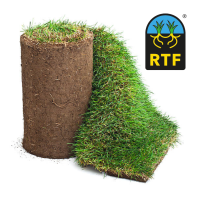
RTF® Sod
-
Self-repairing rhizomes for improved recovery
-
Deep-rooting system for exceptional drought tolerance
-
Designed for high-traffic, low-maintenance turf
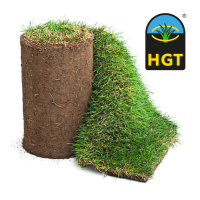
HGT® Sod
-
Exceptional traffic tolerance and rapid recovery
-
Outstanding resistance to Summer Patch and other common turf diseases
-
Rich, deep green color with fine texture