
How to Plant Grass Seed: Your Lawn's Best Start
A lush, green lawn is more than a patch of grass; it’s a welcoming extension of your home. Whether you’re a seasoned gardening pro or a first-time homeowner, learning to grow lawn grass successfully can mean the difference between a patchy, troublesome yard and a vibrant outdoor space you love coming home to.
Here’s a straightforward guide, designed with your needs and real-life challenges in mind, to help you establish, grow, and care for a healthy, long-lasting lawn.
Introduction to Lawn Care
A well-maintained lawn can greatly enhance the aesthetic appeal of a property, providing a beautiful and inviting space for outdoor activities. To achieve a lush, green lawn, it’s essential to understand the basics of lawn care, including proper planting, maintenance, and troubleshooting techniques.
Planting grass seed is a cost-effective way to establish a new lawn or renovate an existing one, offering a wide range of grass types to suit different climates and soil conditions. Cool-season grasses, such as Kentucky bluegrass, perennial ryegrass, and tall fescue, thrive in temperate climates with moderate temperatures and rainfall. On the other hand, warm-season grasses are better suited to regions with hot summers and mild winters, including grass types like Bermudagrass.
Proper site preparation, including soil testing and preparation, is crucial for successful grass establishment and healthy growth. Regular maintenance, such as mowing, watering, and fertilizing, is necessary to keep a lawn looking its best and prevent common issues like weeds and pests. By following these guidelines and using the right techniques, homeowners can create a beautiful and thriving lawn that enhances their outdoor living space.
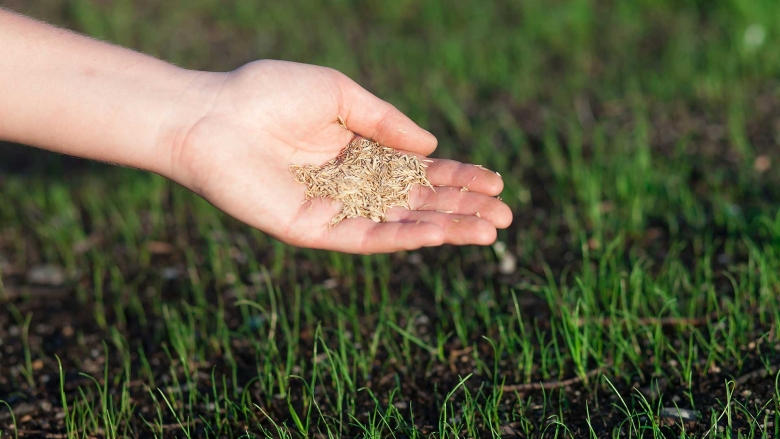
1. Start with Site and Soil Preparation
Proper groundwork is the foundation of any thriving lawn.
- Assess Your Site: Look at sunlight (most grass types need at least 4-6 hours of direct light), drainage, traffic patterns, and whether there are existing weeds or bare spots.
- Grade for Drainage: Slope the soil away from foundations to prevent water pooling. Remove stones, roots, and debris.
- Test Your Soil: A simple soil test kit (available from local extension offices or garden centers) tells you about pH and nutrient needs. Most lawn grasses thrive best in soil with a pH between 6.0 and 6.5.
- Amend as Needed: Mix in lime or fertilizer based on the soil test results. For sandy or clay-heavy soils, organic matter like compost helps with moisture retention and aeration. Ensure the soil surface is kept moist during preparation to enhance seed germination.
2. Choose the Right Grass Seed or Sod
Selecting the best grass type for your environment saves future headaches.
- Cool-season grasses (like tall fescue, Kentucky bluegrass, fine fescue, and perennial ryegrass) do best in most temperate zones. They’re sown in late summer to early fall or early spring for best results.
- Warm-season grasses (like zoysiagrass or bermudagrass) thrive in hotter climates and are planted in late spring or early summer.
- Consider Seed Mixtures: If your lawn has a mix of sun and shade, or is used by kids or pets, use a blend of species for resilience and adaptability.
- Local Recommendations Matter: Check with a reputable local supplier or your extension office for the best varieties for your area.
- Use Quality Seed: Ensure you use quality seed that is specifically adapted to your planting site and is weed seed-free. Reputable seed companies offer improved mixtures of various species, which can accommodate different environmental conditions within a lawn, thereby enhancing overall growth and stability.
3. Plant with Care
The way you plant determines how fast and how well your lawn will grow.
- Seeding:
- Divide the seed and apply half in one direction and the remainder in a crisscross pattern for even coverage. Properly seeded areas will establish new grass lawns effectively.
- Timing is crucial for seeds to germinate properly, with early fall and spring being optimal seasons.
- Lightly rake the seeded area to ensure good seed-to-soil contact (about 1/4 inch deep), then gently roll or tamp down the area. Protect the newly seeded area from foot traffic to ensure successful germination.
- Cover the seeded area with a thin layer of weed-free straw to conserve moisture and keep seed in place, promoting better germination and establishment of the lawn.
- Sodding:
- Lay fresh sod as soon as possible, staggering the seams like brickwork for an even, seamless look.
- On slopes, lay sod across the grade and stake if needed.
- Use a roller to press sod into contact with the soil, then water thoroughly.
4. Water Wisely
Young grass needs steady moisture, but overwatering is as risky as neglect.
- For seed: Keep the top inch or two of soil consistently moist until grass is established (watering lightly once or twice a day, decreasing as roots develop). It's crucial to keep the seeds moist during the germination process by watering two to three times a day, stopping when puddles form.
- For sod: Water immediately after laying, then keep moist until roots knit into the soil (generally 10–14 days).
- Pro tip: Use empty tuna cans or rain gauges to monitor how much water you’re actually providing with your sprinkler.
5. Feed for Growth
Fertilizer helps your lawn stay green and strong, but a little goes a long way.
- Starter fertilizer: Apply as recommended on your soil test, lightly working it into the soil before planting.
- Ongoing care: For most lawns, apply fertilizer in the fall for best results. High-traffic or high-maintenance lawns benefit from spring and summer feedings, too. Tailor your fertilization routine based on soil test results and the specific type of grass.
- Mulch clippings: If you use a mulching mower, letting clippings fall can add nutrients back to the lawn.

6. Mow Right, Mow Regularly
Mowing practices make a big difference in the lawn’s health and appearance.
- Height matters: Set mower blades to cut at 2–3 inches most of the year, and slightly higher during hot or dry spells to shade the soil and encourage deep rooting. Monitoring the height of grass is crucial; when grass reaches 3–4 inches, it is ready for its first mowing at a height of 2–2.5 inches. Proper lawn care and maintenance practices, including watering and fertilizing, support healthy grass growth until it reaches this ideal height.
- Sharp blades: Dull mower blades tear grass, leaving it vulnerable to disease.
- Frequency: Mow weekly in the growing season, but never remove more than one-third of the grass height at a time.
- Mulch when possible: Finely-chopped clippings return nutrients and reduce yard waste.
7. Manage Water and Soil
- Aeration: Compact soils don’t absorb water well and restrict roots. Aerate with a rented machine or by hand in the fall to relieve compaction and improve water and air flow.
- Dethatching: If thatch (a spongy layer above the soil) is more than 1/2 inch thick, dethatch with specialized tools to promote healthy grass.
- Seeding: For larger areas, use a broadcast spreader to ensure even seed distribution. Follow the spreader's instructions and seeding rates for optimal results.
8. Keep Weeds, Pests, and Moss at Bay
- Weed Competition: A healthy, dense lawn is your best defense against weeds. Overseed thin spots in spring and fall. Additionally, control weeds as part of your seedling protection strategy by using mulch to retain moisture, regulate soil temperature, and manage weed growth in the sown area.
- Moss Control: Moss loves shade, moisture, and acidic soil. Increase sunlight where possible, check drainage, and adjust soil pH if needed.
- Pest Patrol: Watch for signs of insects like crane fly larvae or grubs, and treat as recommended for your region.
9. Renovating an Existing Lawn
Renovating an existing lawn can be a great way to improve its appearance and health, especially if it’s suffering from bare spots, weeds, or compacted soil. The first step in renovating a lawn is to identify the underlying issues and determine the best course of action, which may involve planting new grass seed, applying fertilizers or herbicides, or aerating the soil.
For lawns with bare spots or thinning grass, overseeding with a quality grass seed can help fill in the gaps and promote healthy growth. In cases where the entire lawn is in poor condition, it may be necessary to start from scratch, removing the existing grass and soil and re-establishing the lawn with new seed or sod.
Proper soil preparation is essential for successful renovation, including testing the soil to determine its pH level and nutrient content and adding organic matter like peat moss or compost to improve its structure and fertility. After renovation, it’s essential to maintain the lawn properly, including regular mowing, watering, and fertilizing, to ensure it continues to thrive and look its best.
Renovating a lawn can be a time-consuming and labor-intensive process, but with the right techniques and materials, it’s possible to create a beautiful and healthy lawn that enhances the outdoor living space. By following these steps and using the right products, homeowners can renovate their existing lawn and enjoy a lush, green outdoor space for years to come.

10. Troubleshooting Common Issues with New Lawn
Even with proper planting and maintenance, new lawns can still experience common issues like weeds, pests, and disease, which can be frustrating and challenging to address. One of the most common issues with new lawns is weed growth, which can be prevented by using a pre-emergent herbicide or removed with a post-emergent herbicide or manual weeding.
Pests like white grubs, chinch bugs, and billbugs can also be a problem, and can be controlled with insecticides or other management techniques. Disease is another common issue, and can be caused by factors like overwatering, poor soil quality, or inadequate maintenance, and can be treated with fungicides or other products.
To prevent these issues, it’s essential to maintain the lawn properly, including regular mowing, watering, and fertilizing, and to monitor the lawn regularly for signs of problems. In cases where issues do arise, it’s essential to address them promptly and effectively, using the right products and techniques to prevent further damage and promote healthy growth.
By being aware of these common issues and taking steps to prevent them, homeowners can enjoy a healthy and thriving lawn that enhances their outdoor living space. Regular soil testing and maintenance can also help identify potential issues before they become major problems, allowing for prompt and effective action to be taken.
11. Adjust as Your Lawn Grows
A lawn is a living system. It evolves with weather, wear, and use.
- Seasonal Tune-Ups: Repeat soil tests every few years. Adjust fertilization, overseed bare spots, and revisit watering schedules.
- Practical Renovation: If your lawn develops more than 40-50% weeds or bare spots, consider a complete renovation in late summer or early fall. For efficient site preparation, use a sod cutter to remove grass at the roots, ensuring a clean slate for new growth.
Monitoring the establishment of new seedlings is crucial. Assess the growth of new seedlings to identify bare spots that may require reseeding. Proper timing of planting grass seeds ensures that new seedlings can thrive and establish well.
12. Love Your Lawn, but Don’t Stress
Not every patch of grass will be picture-perfect, especially in shady spots or high traffic areas. Set realistic expectations and remember that a healthy lawn is about more than looks; it’s about how you use and enjoy your outdoor space. Protecting a newly seeded lawn from environmental elements is crucial to ensure proper germination and root development.
Ready to Plant? Check out our full Homeowner Collection



Shade Savant®
-
Lightning fast establishment
-
Shade compatible
-
Resistant to drought
