How to Get Rid of Crabgrass: Prevention and Control
Crabgrass is the opportunist of summer—quick to germinate, fast to sprawl, and relentless in thin, stressed turf. The upside is that timing, good lawn care, and targeted herbicides work together to shut it down. If you’re searching for how to get rid of crabgrass: prevention and control, this guide brings the science and the practical steps into one place so you can act with confidence. You’ll learn how crabgrass grows, when to treat, and how to maintain a dense lawn that resists future outbreaks. Think of it as a two-part plan: remove what’s there and build turf strength that keeps it from returning.
What Is Crabgrass?
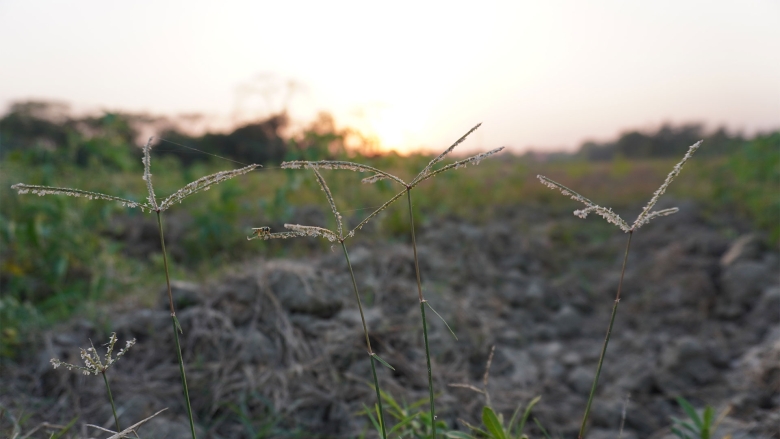
Crabgrass is a warm-season annual grass that germinates from seed in spring, races through summer, and dies with the first hard frost. Before it checks out for the season, a single plant can produce thousands of seeds that wait in the soil for years. Its signature look is a low, spreading clump with coarse, light-green blades and stems that radiate like crab legs. Because it tolerates heat, drought, and soil compaction, crabgrass thrives where desirable turf is thin, scalped, or underfed.
Two culprits appear most often in lawns: smooth crabgrass (Digitaria ischaemum), with softer leaves, and large crabgrass (Digitaria sanguinalis), with broader blades and a more upright habit. Both spread by seed, both love sunny, open soil, and both can take over bare or weakened areas quickly.
Beyond the eyesore, crabgrass competes with turfgrass for water, nutrients, and sunlight. When it dies back in fall, it leaves bare soil that erodes easily and becomes a launchpad for winter annual weeds and next spring’s crabgrass. Effective crabgrass control is about breaking this cycle.
When Does Crabgrass Germinate?
Crabgrass seeds typically germinate when the top 1–2 inches of soil reach a sustained 55–60°F for several days. In many regions, that’s a spring milestone a few weeks after the last frost. Warmer southern and coastal areas see earlier germination; northern regions see it later.
The seasonal pattern is consistent: seeds sprout in spring, plants bulk up in summer heat, and seed production peaks from mid- to late summer. Foliage dies with frost, but seeds persist. Watch for light-green patches that stand out from your turf, flattened, spreading clumps, and finger-like seedheads as summer advances. Edges along sidewalks and driveways often show first due to heat and compaction.
For pre-emergent timing, many homeowners track soil temperature approaching the mid-50s°F. A common landscape cue is the end of forsythia bloom. If you’re focused on how to get rid of crabgrass in lawns, precision at this stage sets you up for success.
How to Kill Existing Crabgrass
Controlling established plants calls for targeted post-emergent herbicides or physical removal, depending on infestation size and lawn type. In cool-season lawns (Kentucky bluegrass, perennial ryegrass, tall fescue), selective herbicides with quinclorac, fenoxaprop-p-ethyl, or dithiopyr are proven performers. In warm-season lawns (bermudagrass, zoysiagrass, St. Augustinegrass), confirm the product is safe for your grass—some fenoxaprop formulations are not suitable for certain warm-season species. Non-chemical options include hand-pulling small patches when the soil is moist and spot-treating isolated clumps in non-turf areas with a non-selective herbicide like glyphosate, followed by reseeding or resodding.
Application steps for best results:
- Confirm identification. Make sure the target is crabgrass before you treat for crabgrass control.
- Select the right product. Choose a selective post-emergent labeled for your turf species and the crabgrass growth stage.
- Treat early growth. Young plants with 1–4 tillers respond better; mature, seeding plants may require repeat applications.
- Apply in suitable weather. Aim for calm, dry conditions and temperatures generally between 65–85°F unless the label states otherwise.
- Time around mowing. Avoid mowing one to two days before and after treatment to maximise leaf contact.
- Ensure coverage. Use the recommended spray volume; add a surfactant if the label directs.
- Spot-treat where practical. Limit applications to affected areas to protect healthy turf.
After application, avoid irrigation until the product is rainfast (often 2–24 hours; check the label). Decline typically shows within 7–14 days. Retreat stubborn patches per label intervals if needed. Once plants die, rake out debris and reseed or sod to fill voids and prevent a new round of germination. Keep people and pets off treated areas until dry, and follow any reseeding restrictions—some products require several weeks before seeding is allowed.
How to Prevent Crabgrass
Long-term success in how to get rid of crabgrass: prevention and control comes from two pillars: grow a dense, healthy lawn and apply pre-emergent herbicides at the right time. Vigorous turf shades the soil, lowers surface temperatures, and denies space to seedlings. Address bare spots promptly, relieve compaction, and fine-tune mowing and irrigation so your turf has the advantage.
Choose grass types adapted to your climate and light. In persistent shade, consider shade-tolerant turf or alternative groundcovers—thin grass will invite crabgrass regardless of herbicide use. Prevention is where you truly control crabgrass before it ever appears.
Pre-emergent herbicides create a thin barrier in the topsoil that stops crabgrass seeds from establishing. Common actives include prodiamine, pendimethalin, and dithiopyr. Apply as soil temperatures approach 55°F in spring. In warm regions with long summers, split applications—one in early spring and another 6–8 weeks later—extend protection. Water in as directed (often 0.25–0.5 inches) to activate. Avoid core aeration or aggressive soil disturbance after application, which can break the barrier. Observe reseeding restrictions: many products require 8–12 weeks or more before overseeding; dithiopyr may allow a shorter reseeding window, but the label rules.
Mowing Practices to Control Crabgrass
Mowing height directly influences crabgrass pressure. Taller turf casts deeper shade over the soil surface, suppressing germination. Use these general ranges unless your cultivar specifies otherwise:
| Grass Type | Recommended Mowing Height |
|---|---|
| Tall fescue | 3–4 inches |
| Kentucky bluegrass | 3–4 inches |
| Perennial ryegrass | 2.5–3.5 inches |
| Bermudagrass | 1–2 inches (reel-mowed lawns on the low end) |
| Zoysiagrass | 1–2.5 inches |
| St. Augustinegrass | 3–4 inches |
Mow often enough to remove no more than one-third of the blade at a time. During peak growth, that may mean weekly or more frequent mowing. Consistent mowing maintains density and prevents scalping, which exposes warm, sunny soil that favours crabgrass germination. Keep blades sharp for clean cuts and alternate mowing patterns to reduce wear and compaction.
Mulch mowing leaves clippings on the lawn, returning nutrients and supporting turf thickness. Under normal conditions, clippings do not significantly contribute to thatch, and the added cover further shades the soil surface—another small win for crabgrass control.
Maintaining a Healthy Lawn
Fertilization, watering, and soil management are the backbone of how to get rid of crabgrass in lawns for the long haul. Feed according to your grass type and local recommendations. Cool-season lawns often benefit from a light spring feeding, a pause or minimal feeding in midsummer, and a heavier fall application to build roots and density. Warm-season lawns need most of their nitrogen in late spring and summer during active growth. Use a soil test to guide nutrient choices and rates—over-fertilization can stress turf and encourage weeds.
Water deeply and infrequently to encourage deep roots. Most established lawns need about 1 inch of water per week from rainfall or irrigation in one or two deep soakings. Water early in the morning to reduce evaporation and disease risk. Avoid frequent, shallow watering that keeps the surface warm and moist—prime conditions for crabgrass germination.
Relieve compaction where crabgrass often gains a foothold. Core aeration improves air, water, and nutrient movement and helps turf thicken. Follow aeration with overseeding at the proper time for your grass type—fall for cool-season lawns and late spring to early summer for warm-season grasses, provided you’re outside any pre-emergent herbicide reseeding interval. A light topdressing of compost after aeration improves soil structure and supports microbial activity.
Putting It All Together: A Seasonal Plan
If your goal is how to get rid of crabgrass: prevention and control, align treatments with the calendar for predictable results:
- Late winter to early spring: Test soil, tune up the mower, and plan pre-emergent timing as soil temps near 55°F. Spot-repair bare areas where allowed by the pre-emergent label.
- Spring: Apply pre-emergent (split applications in warmer zones). Begin proper mowing heights. Light feeding for cool-season turf; ramp up for warm-season as growth starts.
- Early summer: Scout and spot-treat escapes with selective post-emergents. Maintain deep, infrequent irrigation. Keep blades sharp; avoid scalping.
- Late summer: Continue selective treatments as needed. Prepare for fall overseeding in cool-season regions by observing herbicide reseeding intervals.
- Fall: Overseed cool-season lawns to increase density. Fertilize cool-season turf more heavily. Address compaction with aeration and topdressing.
- Winter: Clean equipment, review notes, and plan next season’s crabgrass control strategy.
Frequently Asked Questions
Is crabgrass the same as quackgrass or orchardgrass? No. Crabgrass is a warm-season annual with coarse, light-green blades and a sprawling habit. Quackgrass and orchardgrass are perennial cool-season grasses that persist year to year and require different control methods.
Can vinegar kill crabgrass? Household vinegar (around 5% acetic acid) inconsistently burns foliage and rarely kills the crown. Stronger horticultural vinegar can injure turf and still may not eradicate established plants. Labeled herbicides or hand removal are more reliable for how to get rid of crabgrass in lawns without damaging turf.
Should I pull crabgrass by hand? For small, isolated plants, hand-pulling works—especially after rain when the soil is soft. Remove the entire root crown and reseed promptly to fill the gap. For larger infestations, combine selective herbicides with overseeding or renovation to restore density and control crabgrass long term.
What if I missed spring pre-emergent timing? Apply a product like dithiopyr, which offers early post-emergent activity on very young seedlings, and spot-treat visible plants with a selective post-emergent. Then focus on mowing height, irrigation, and overseeding at the next appropriate window to strengthen turf.
Why does crabgrass return every year? Seed banks in the soil are persistent. When the lawn thins and sunlight hits bare soil, seeds germinate. Consistent pre-emergent timing, thicker turf, and fixing stress points such as compaction, drought, and scalping are the keys to sustainable crabgrass control.
The Bottom Line
Success with how to get rid of crabgrass comes from a balanced approach: strike existing plants with the right post-emergent at the right time, then make it hard for new seedlings to establish by building dense turf and using pre-emergents precisely. Follow label directions, respect reseeding intervals, and keep mowing and irrigation tuned to your grass type. With a season-by-season plan, you can control crabgrass today and set up your lawn to stay thick, green, and resilient for seasons to come.